Let it begin
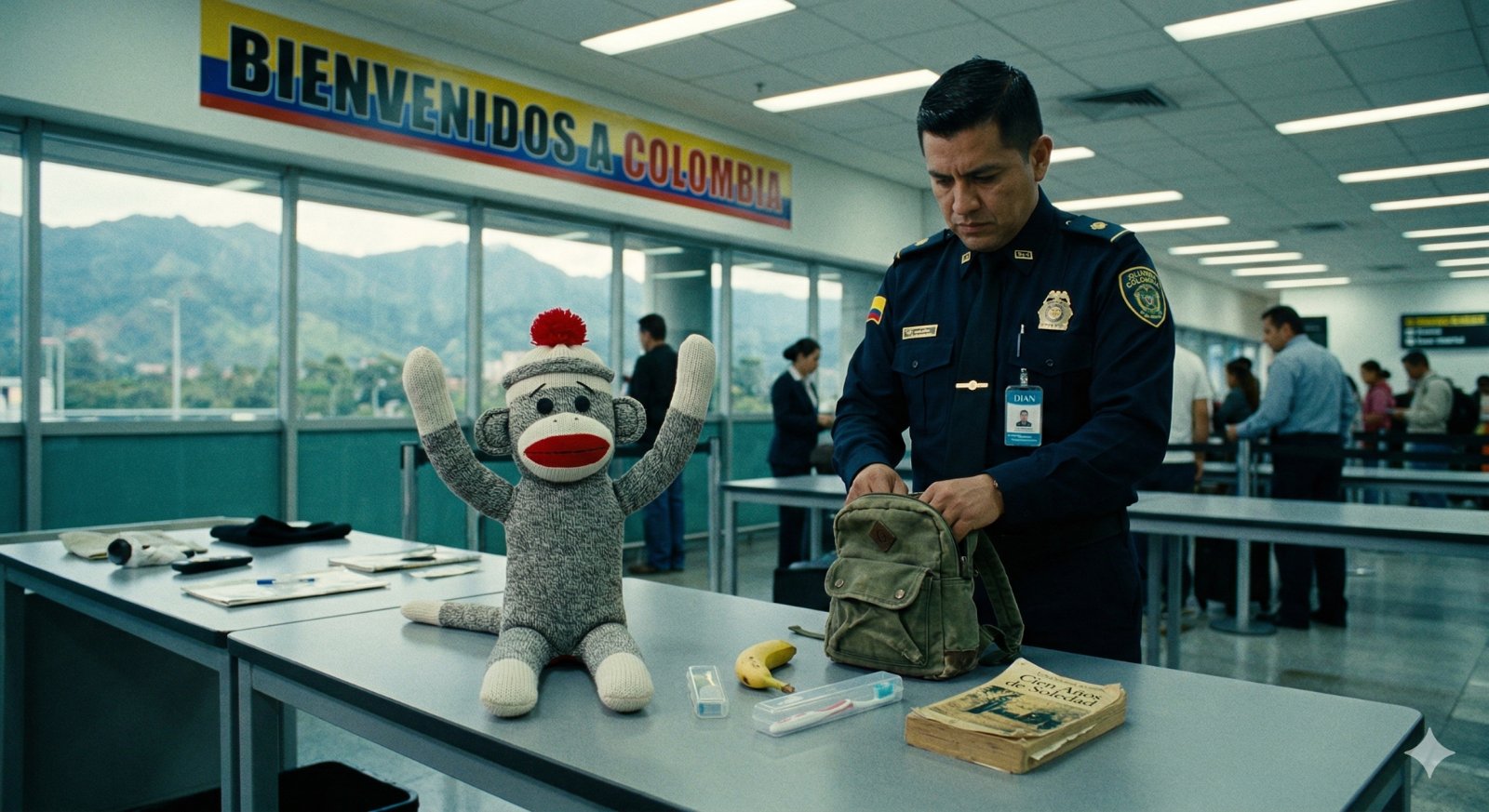
02/16/26: The customs arrival procedures are pretty intrusive in Bogota. I found it to be quite ironic, considering we were entering into (not leaving) the epicenter of the cocaine storm of the world. As an aside, my 'street sources' in Peru intimated they are a big producer of the product as well. I've noticed that the coca leaves are ubiquitous in Bolivia and Peru: very present in teas, chewing, candy, and 'energy' drinks. I researched the energy drink options as an incredible import, and in the States, it would be scheduled as a "narcotic." No bueno. As I digress.
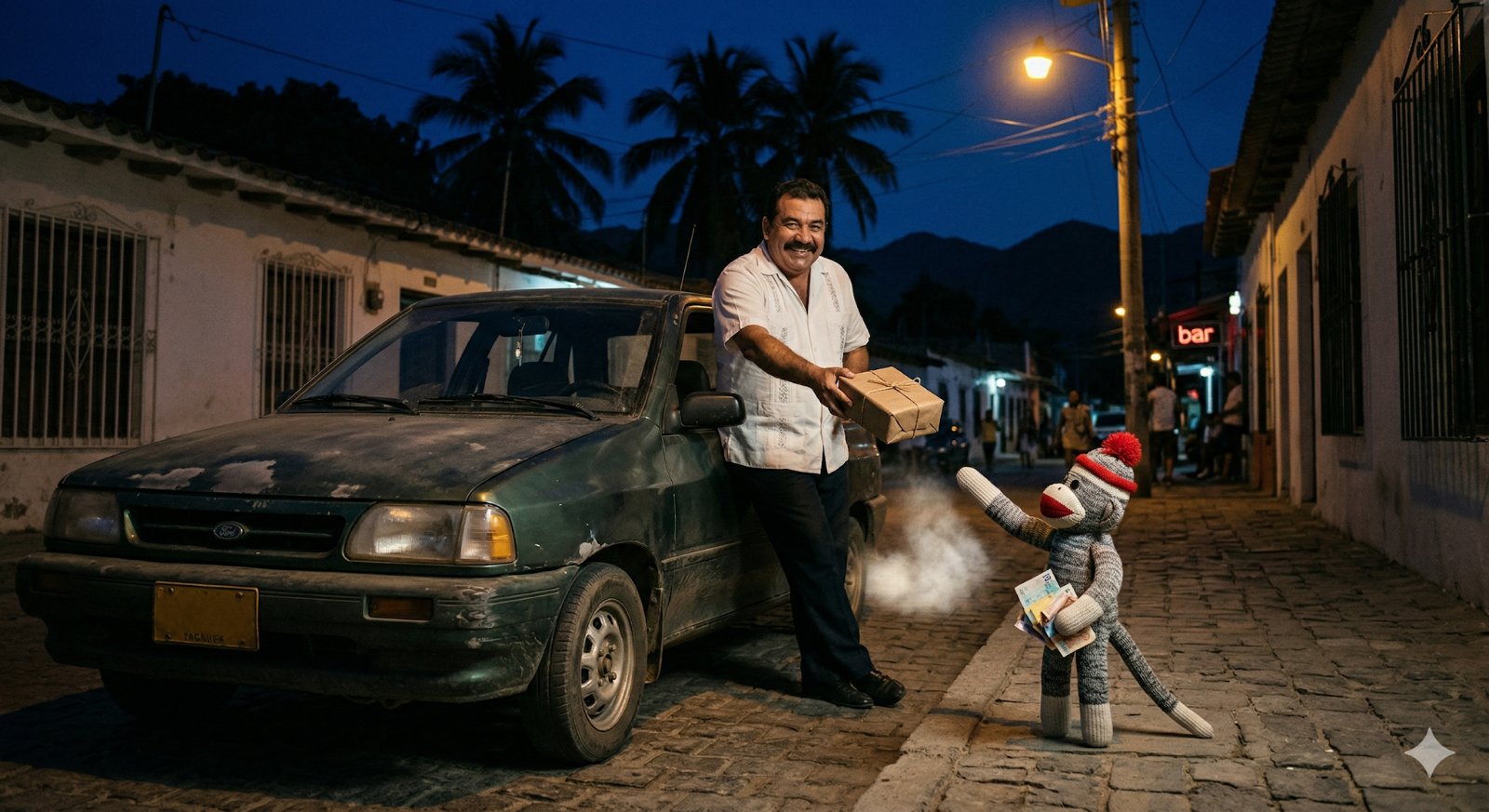
Heather's inbound flight, plus a short time-framed layover and a cranky security woman stopping and condescendingly phucking with her, meant she missed her flight with me to Santa Marta by minutes. Later that night, Santos, the everything guy, picked Heather up at the airport and delivered her, plus some much-appreciated (bigger than my finger) pre-rolled Colombian hospitality welcome gifts, to Taganga. Santos is a fine man!
Let the slow roll begin-- finally!!!
Previously, I've lamented about all the time, effort, and research that go into every upcoming city, more specifically, the stays. The process is the equivalent of going to Vegas—it's all a crapshoot. Some days, when the matrix dances in your shadows, you're destined to hitch a ride on the wings of a unicorn. The village we're staying in, Taganga, is just that. Pure, correct, magical.
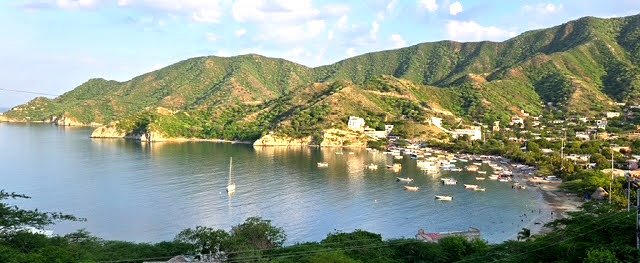
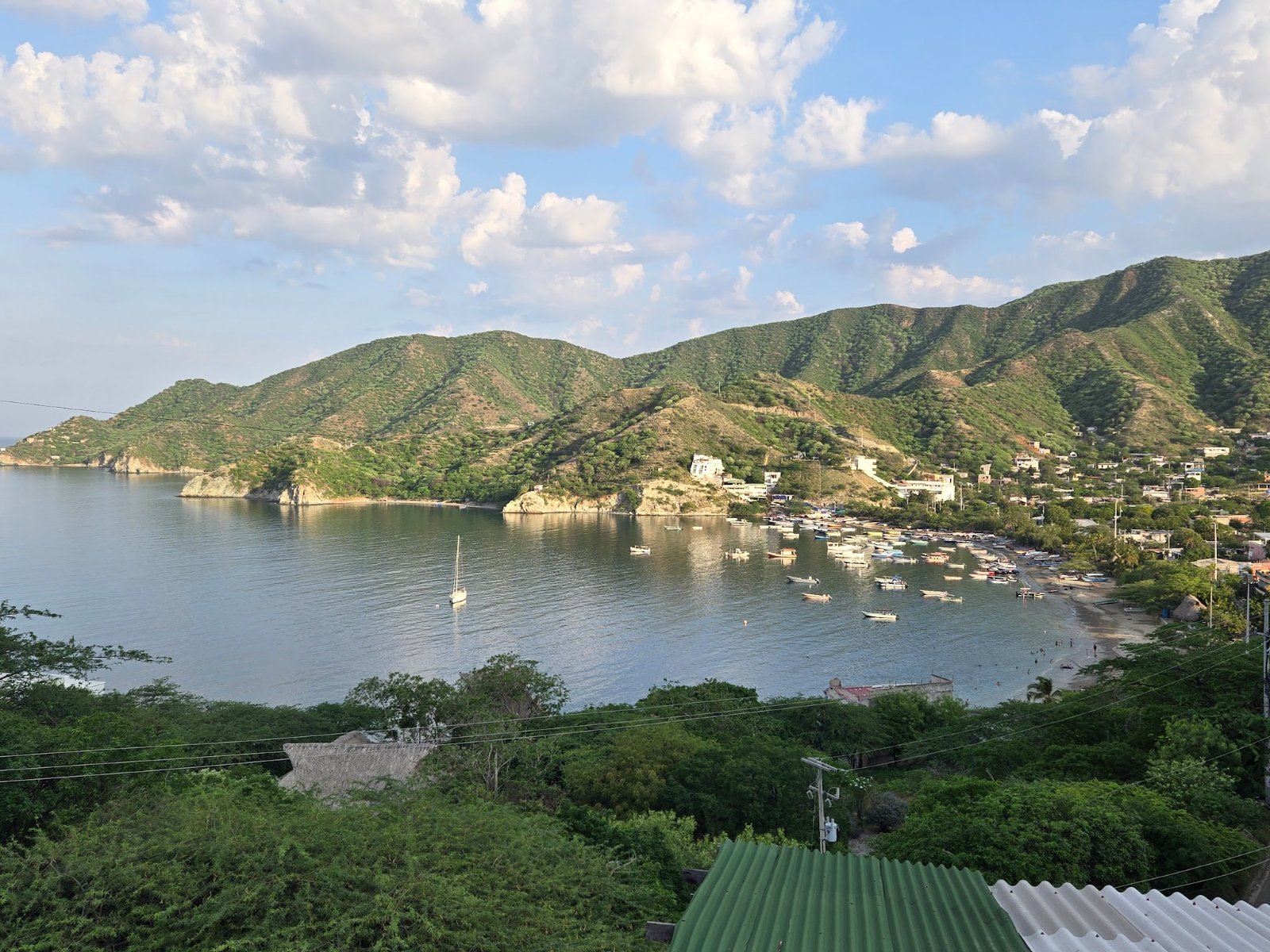
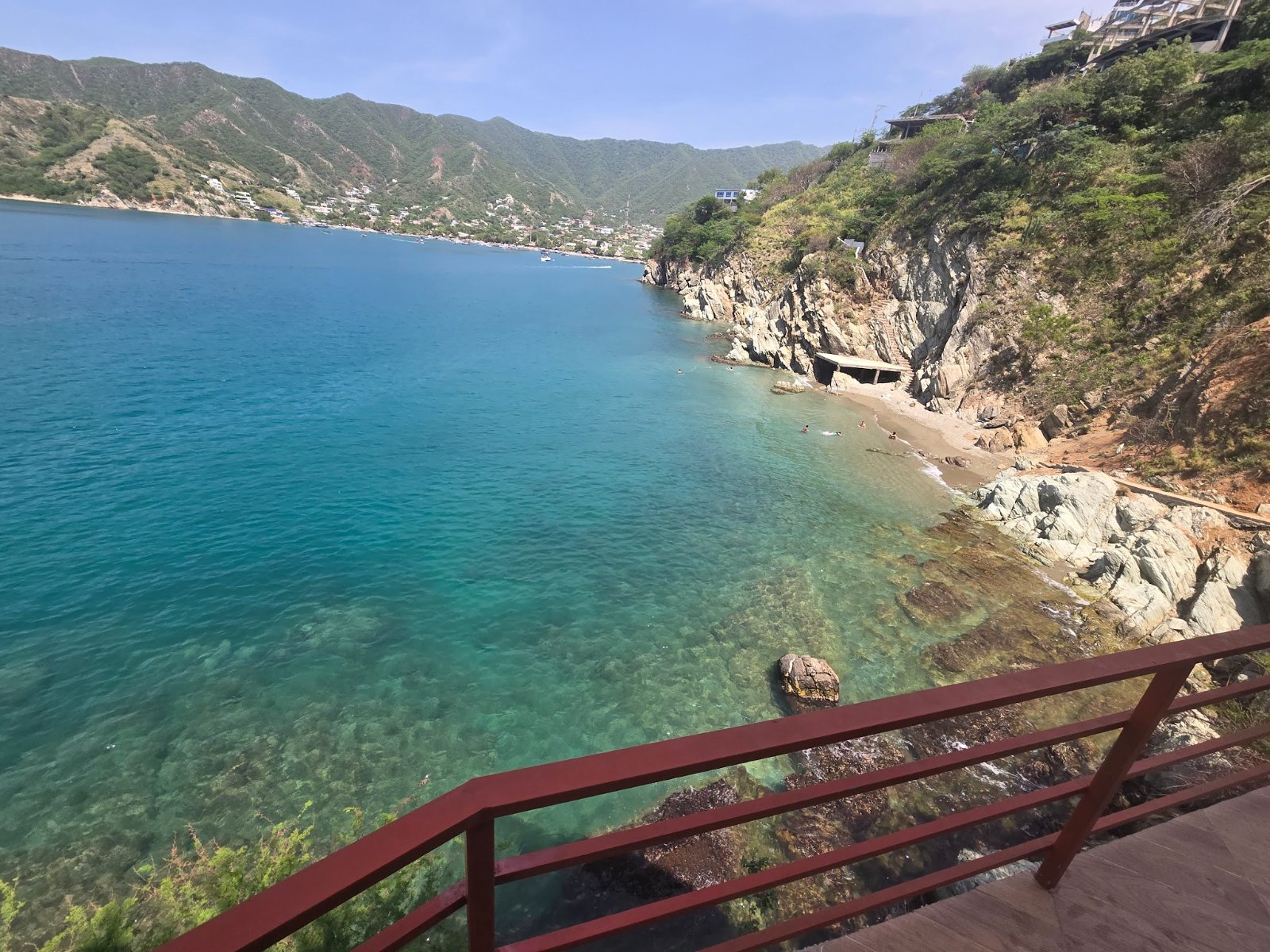
Taganga is a small (1,000-ish population) fishing village in a tiny, deep bay located on the northern coast of Colombia. The village is located on the northwestern flank of the Sierra Nevada de Santa Marta, the triangular mountain range in northern Colombia hosting the double-peak Pico Cristóbal Colón and Pico Simón Bolívar, the highest mountains (18,700 ft) closest to the sea (26 mi) in the world.
Quick history
Until the 1950s, Taganga was a remote fishing village cut off from Santa Marta by poor road access. By 1988 it still had only one hotel. On December 12, 2014, it was incorporated into a locality of Santa Marta, a city of ~500k only a few kilometers away, on the opposite side of one foothill, to improve local conditions.
In 2015, an Israeli ex-soldier built a large hotel aimed at Israeli travelers, especially ex-soldiers. By 2017, it was known for supplying drugs, prostitutes (including some minors), and hosting orgy-like parties. Later that year, authorities in Santa Marta detained and deported the owner, citing him as a threat to public safety and social stability.
Love at first site.
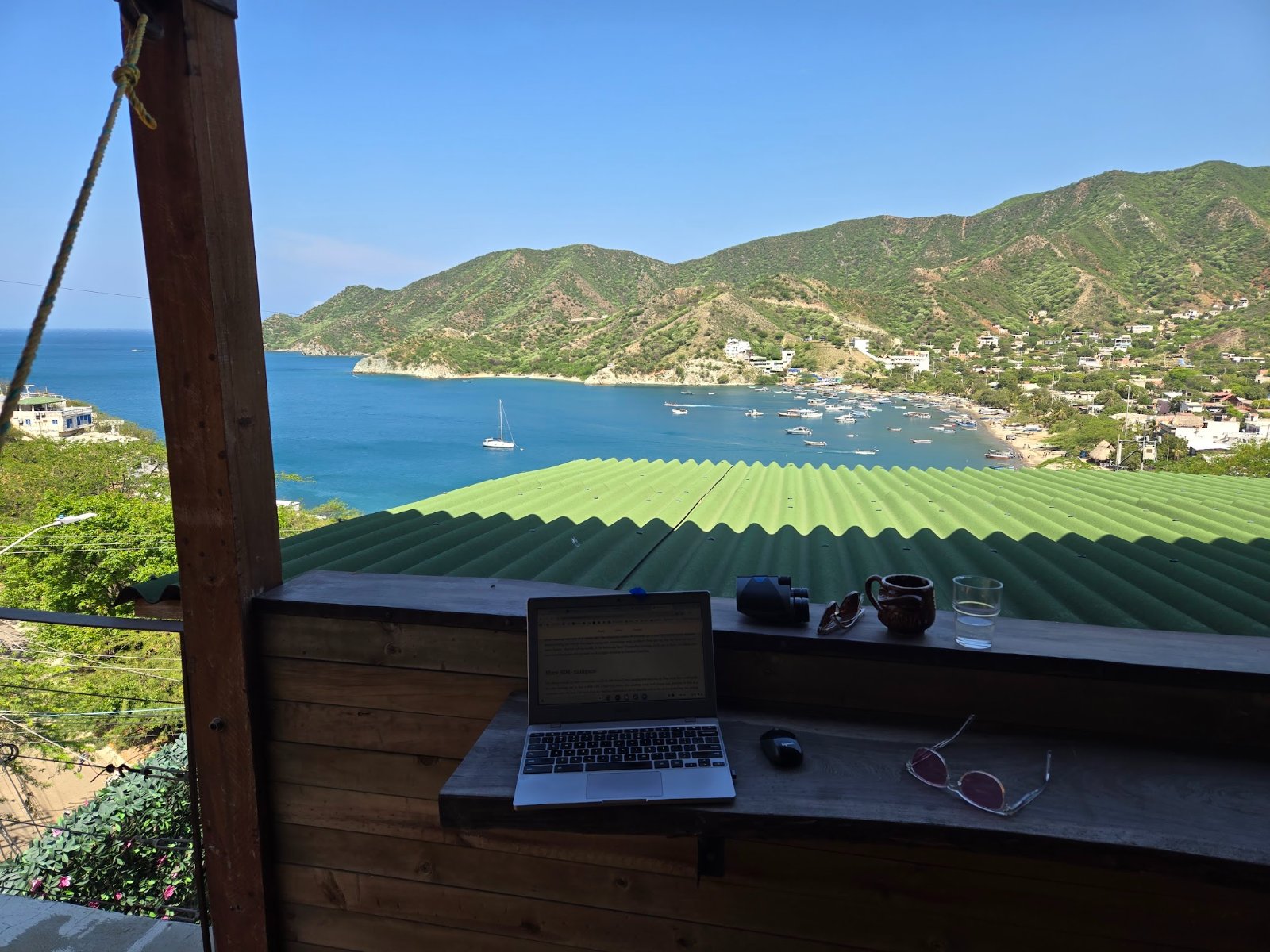
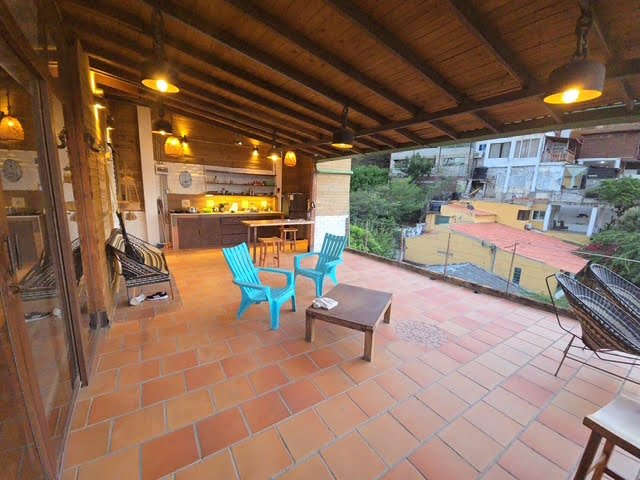
Our first stay was perfect for our needs. The large terrace is more extensive than the interior, showcasing a lovely alfresco kitchen/dining area and an airy indoor living space sporting a boulder-skinned rain shower, lots of windows, and an industrial, loft-like appeal. Maybe seasonal, but a near-constant breeze kept us cool and the mosquitos at bay.
Since we both love cooking, the quintessential outdoor "table"—the central altar where passion, ritual, and spectacle converge—holds court in the foothills above the bay as the perfect crown. The second time we stayed here, we cut a deal for off-the-books cash: 7 nights for $330, => $47/night. Much higher than my typical stay or wish list pricing, but, YES, please.
Snowbirding.
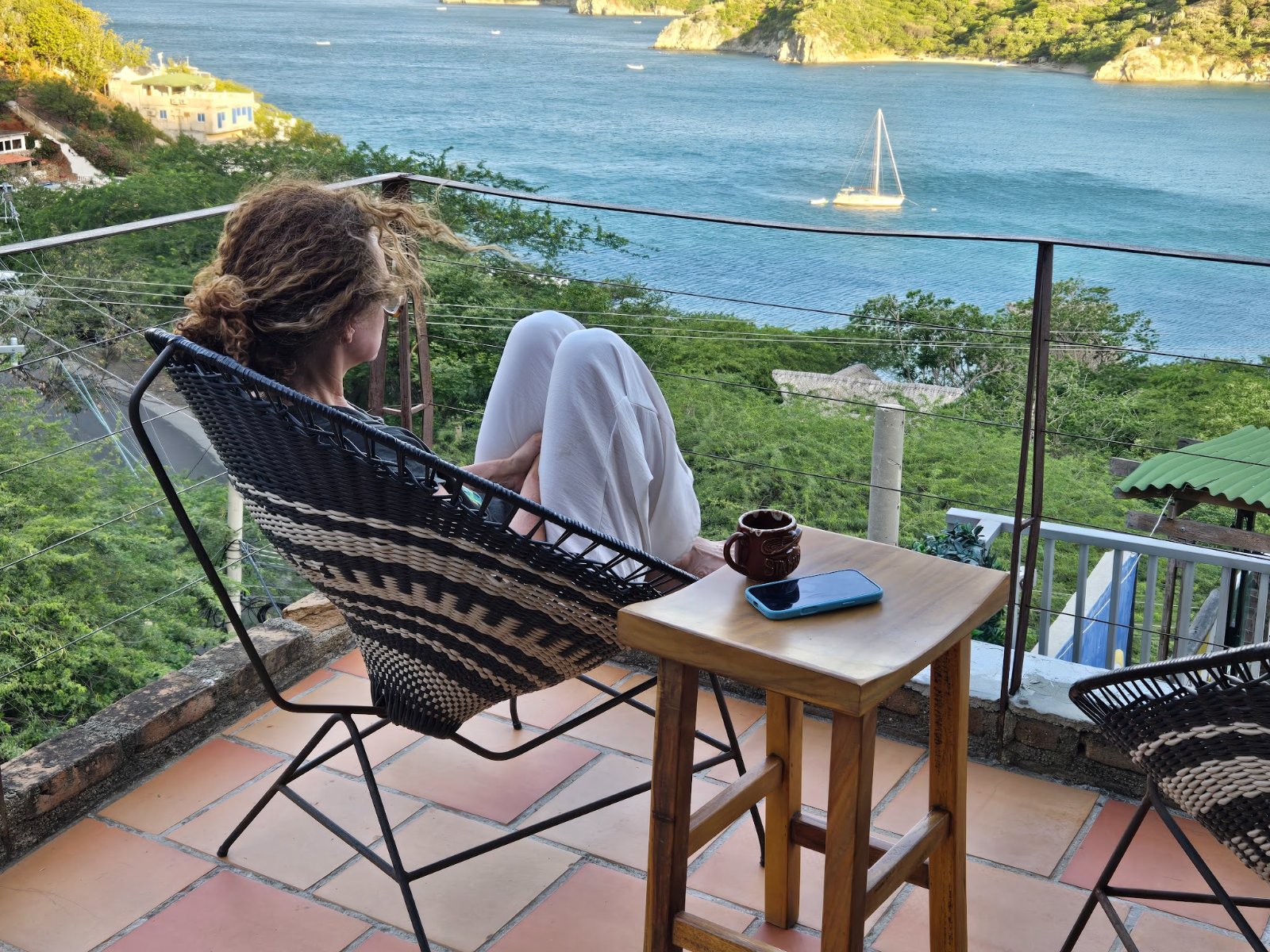
We both wanted a place where we could "Snowbird". Get away from the shitty weather back home, cook, work online, and have access to reasonably priced mercados and restaurants all wrapped up in a beautiful environment. We found many of those ingredients in Tananga. So much so that we decided to stay the remainder of our time solely here, between 2 places, both incredible! Nearly 1 month in total.
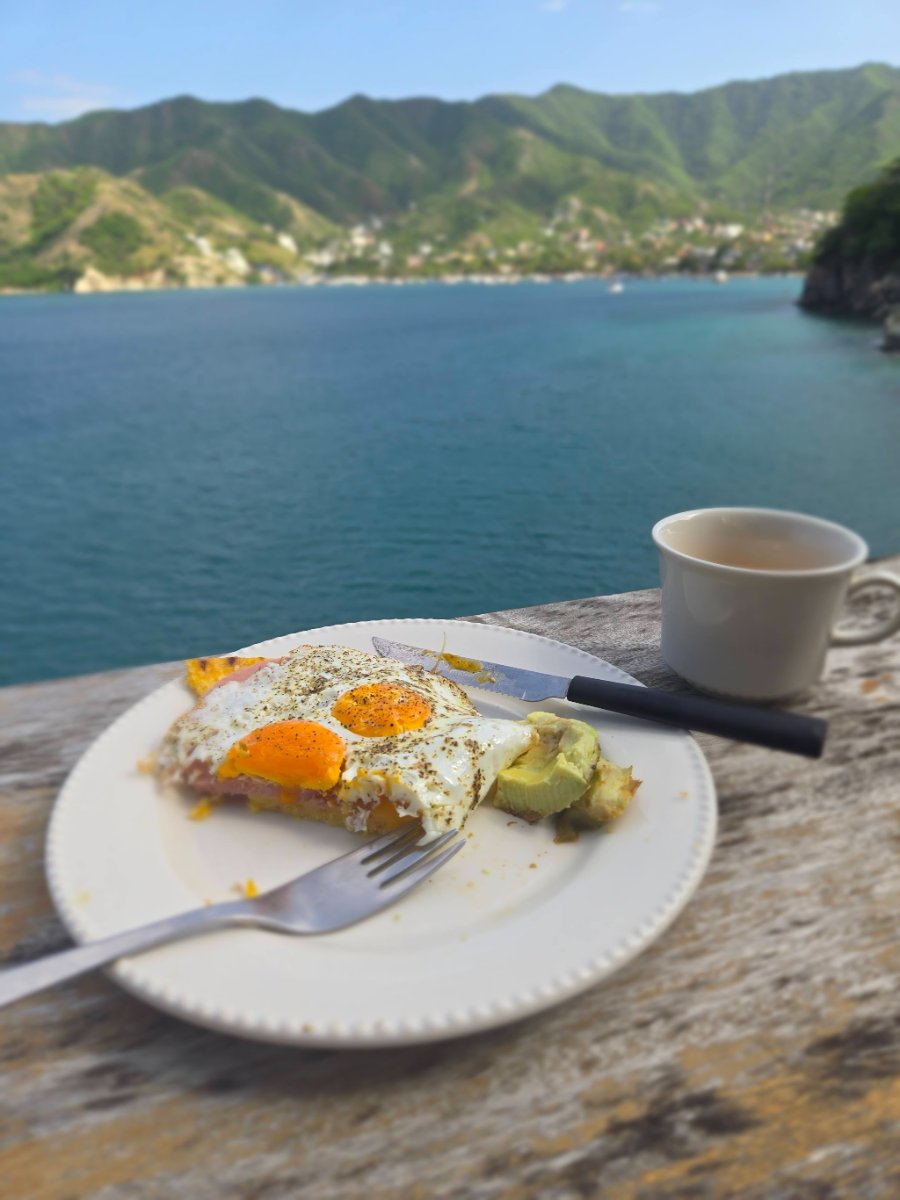
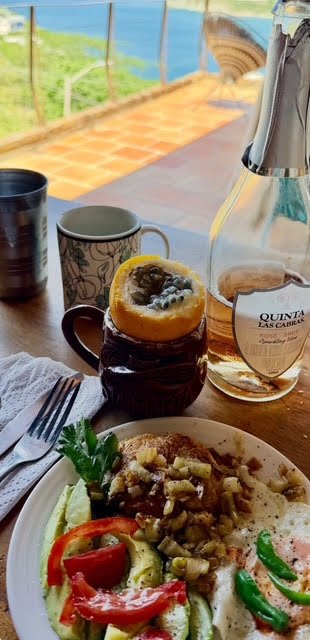
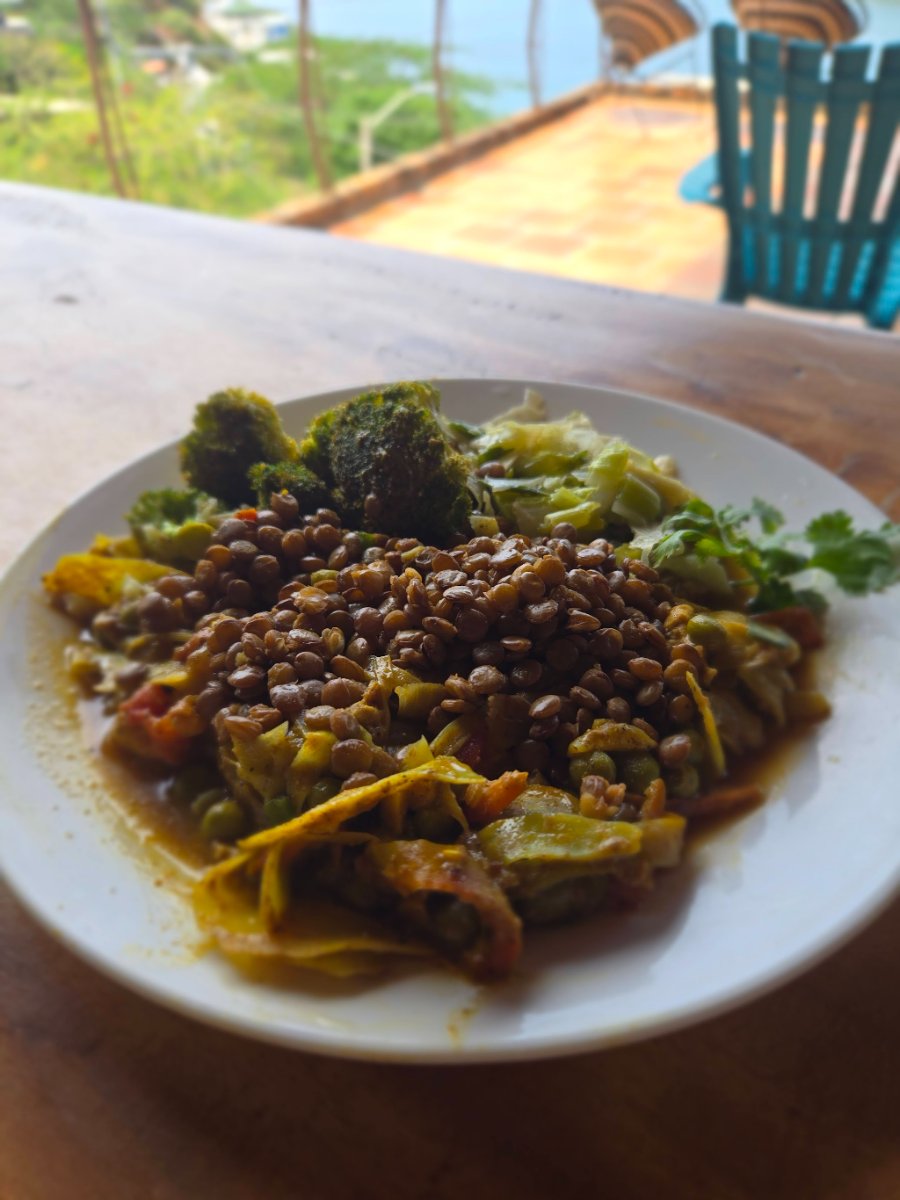
Stay #2- just as amazing.
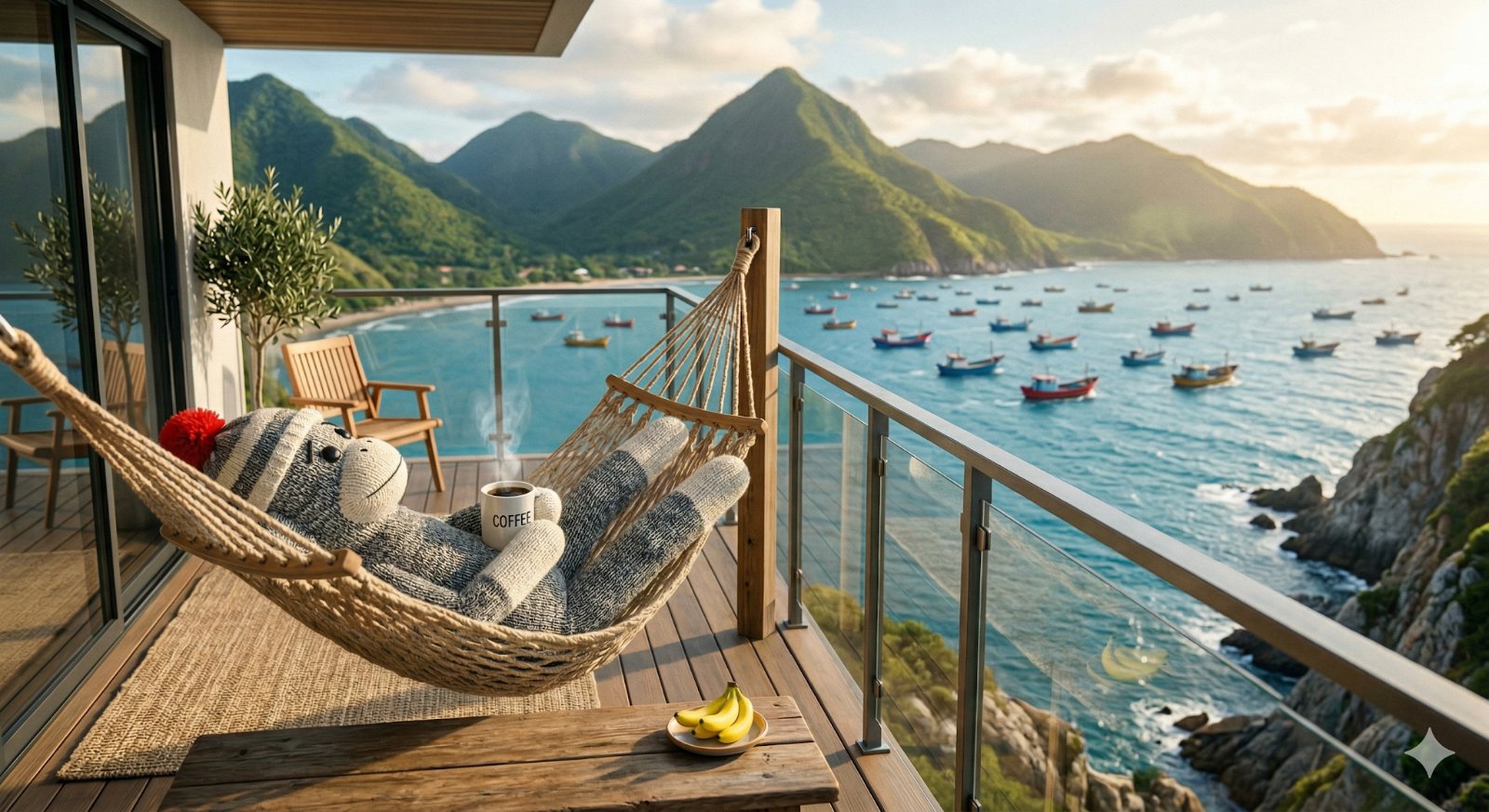
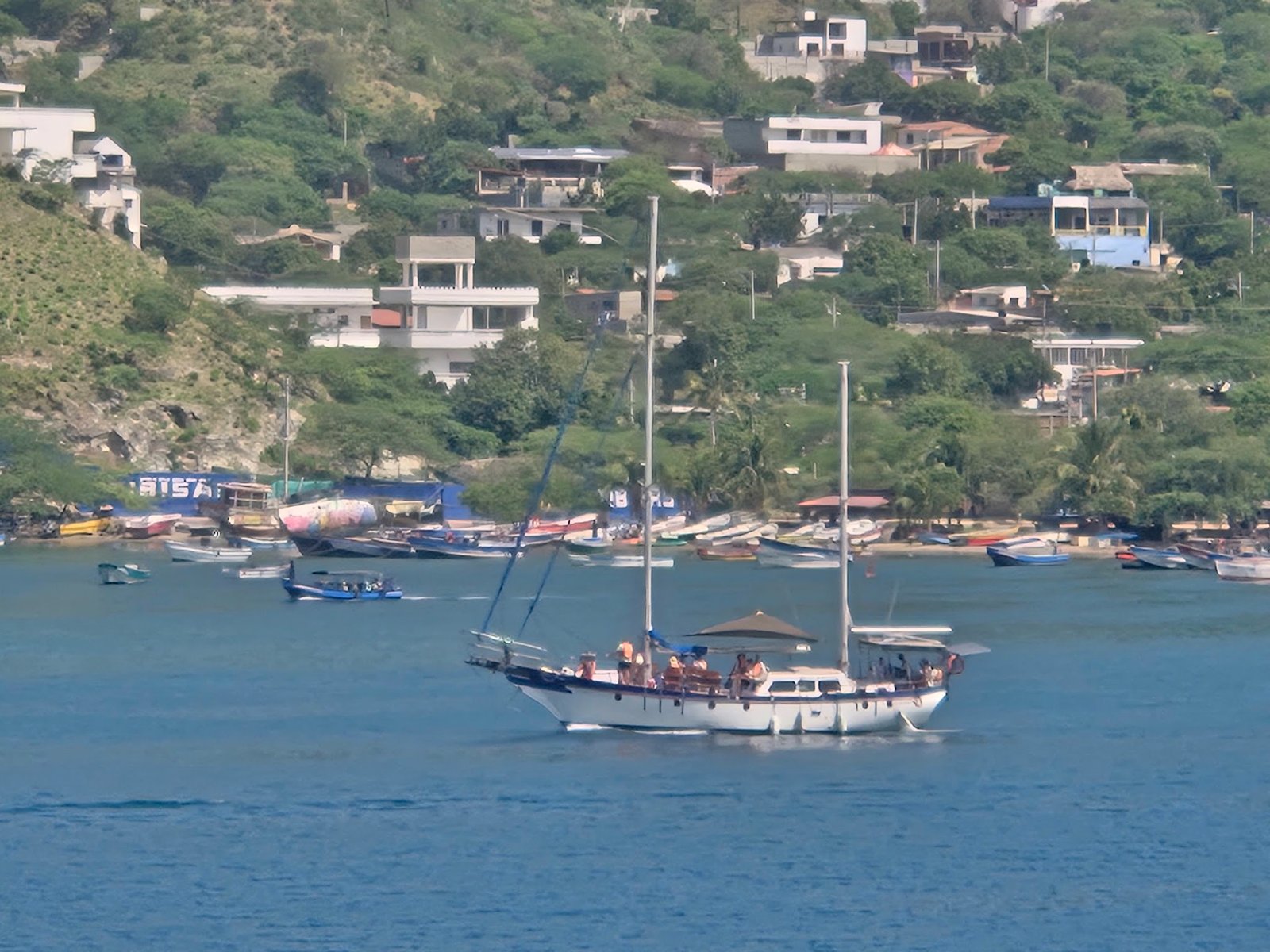
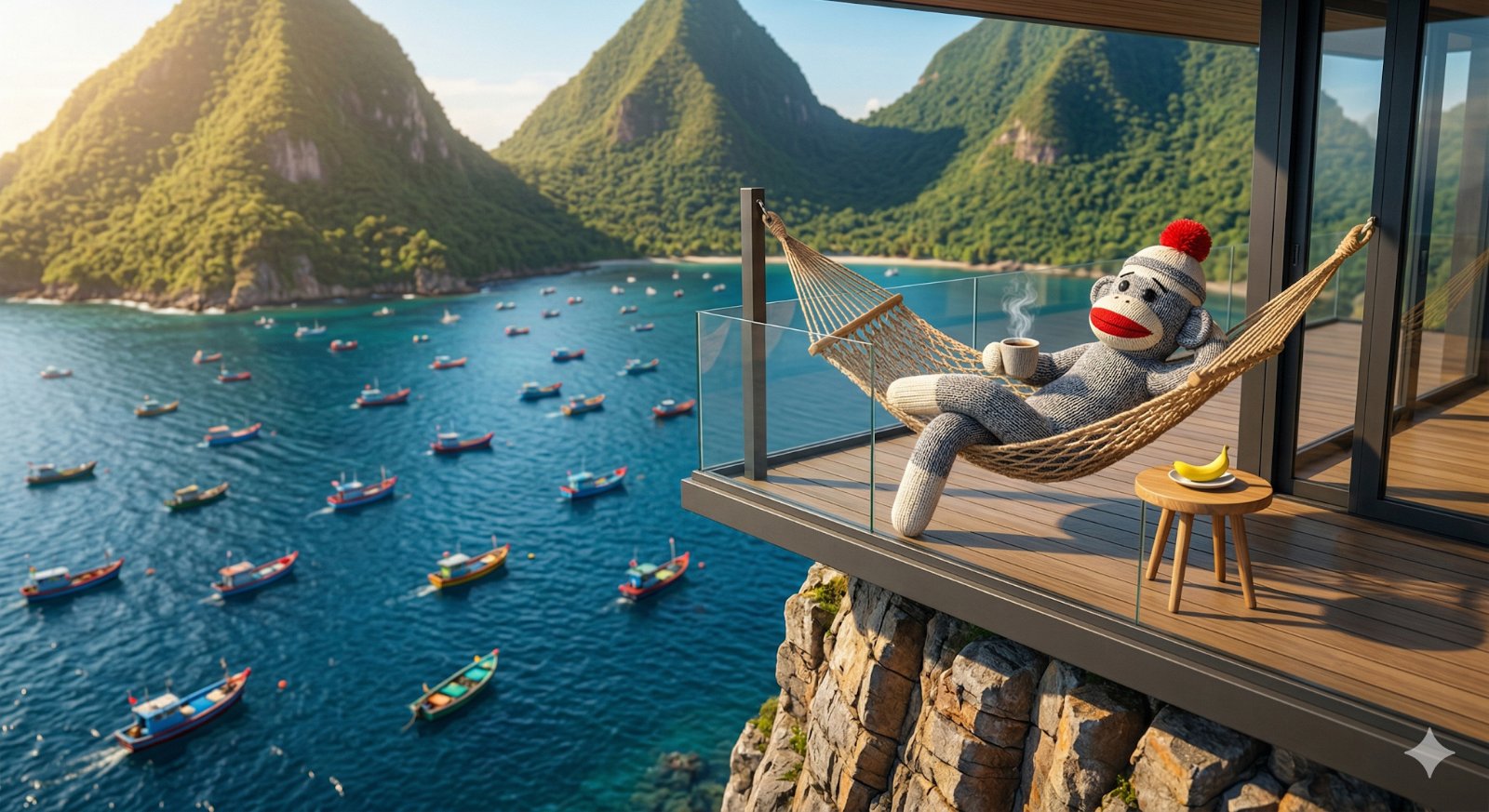
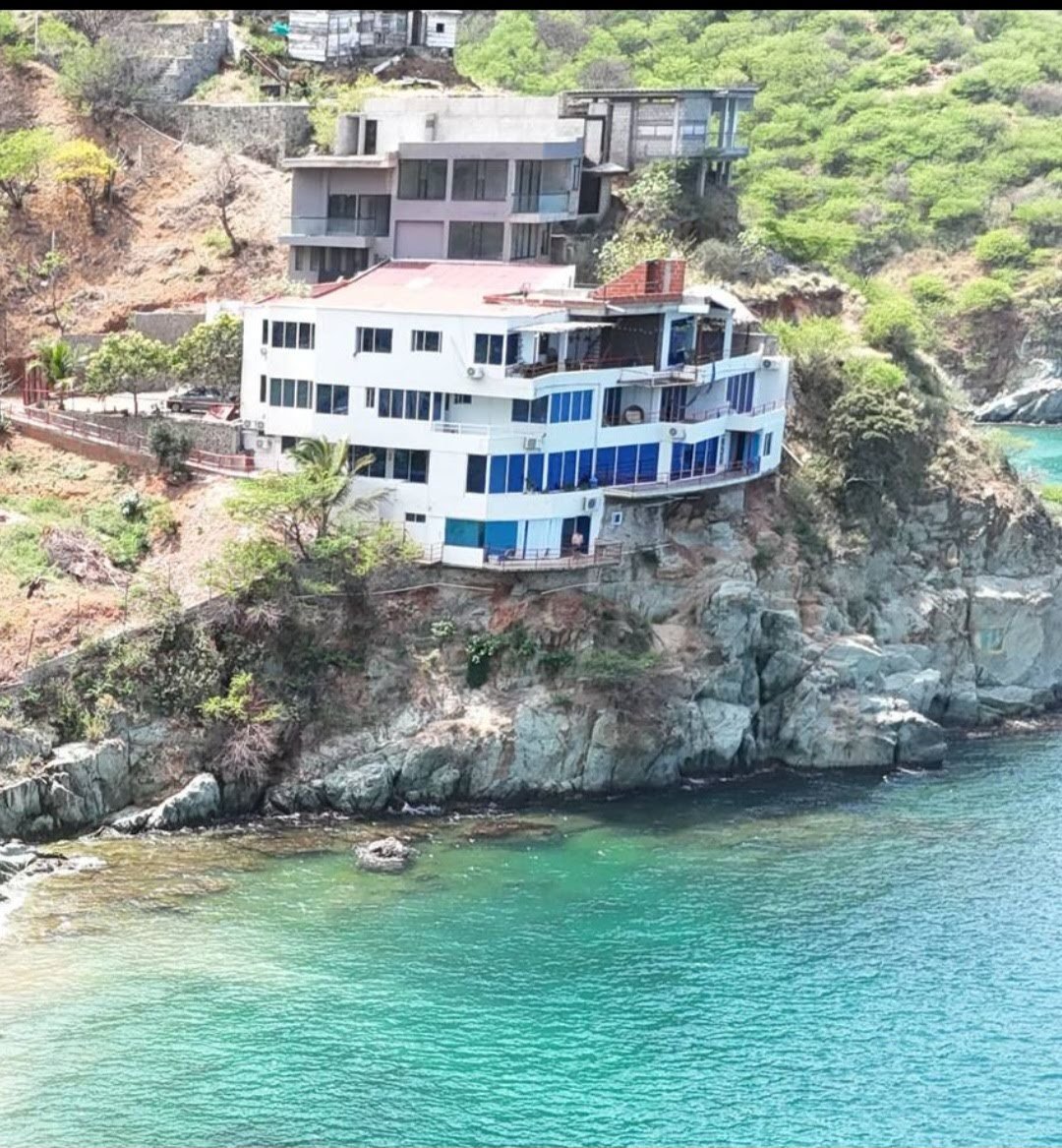
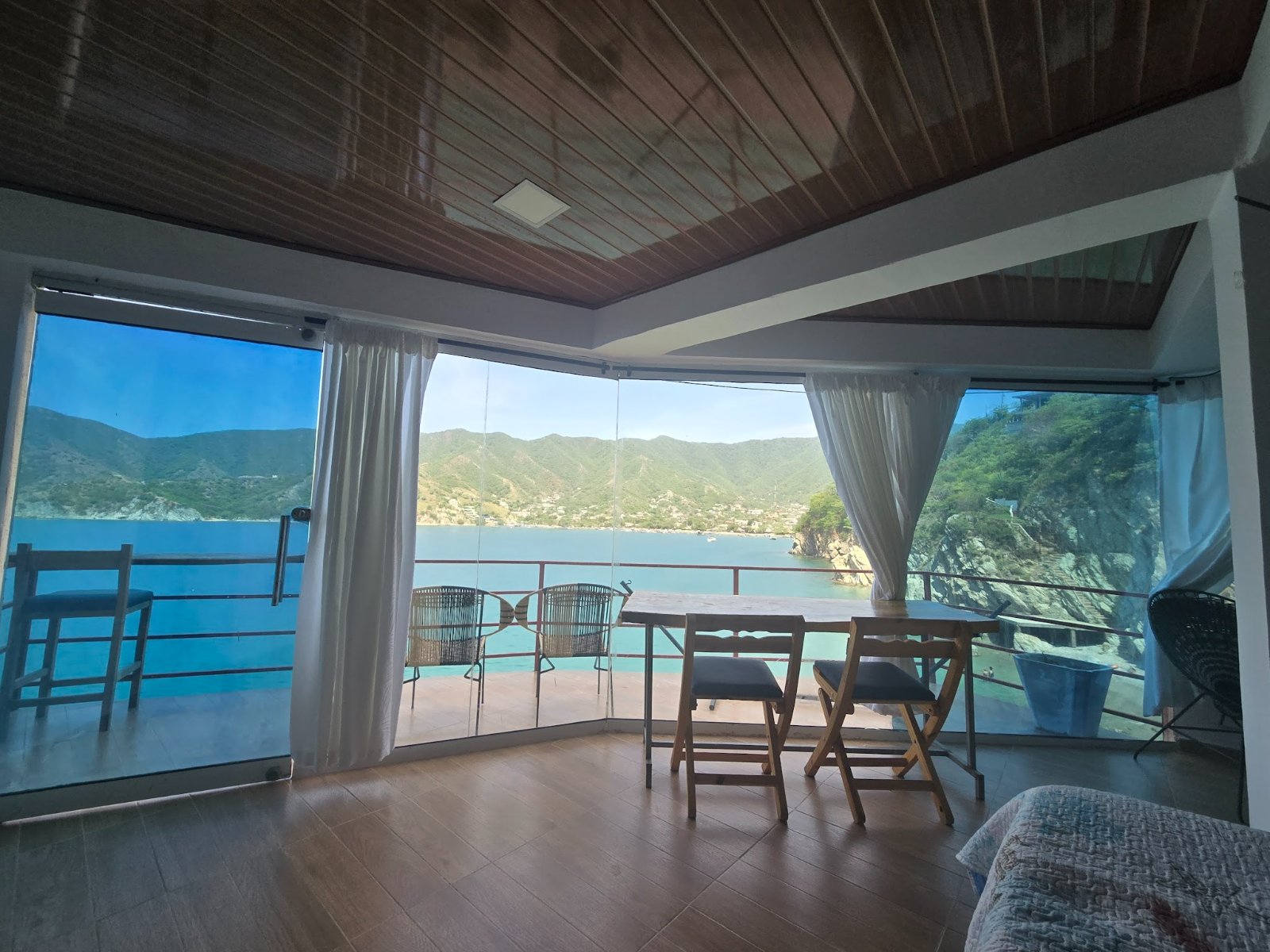
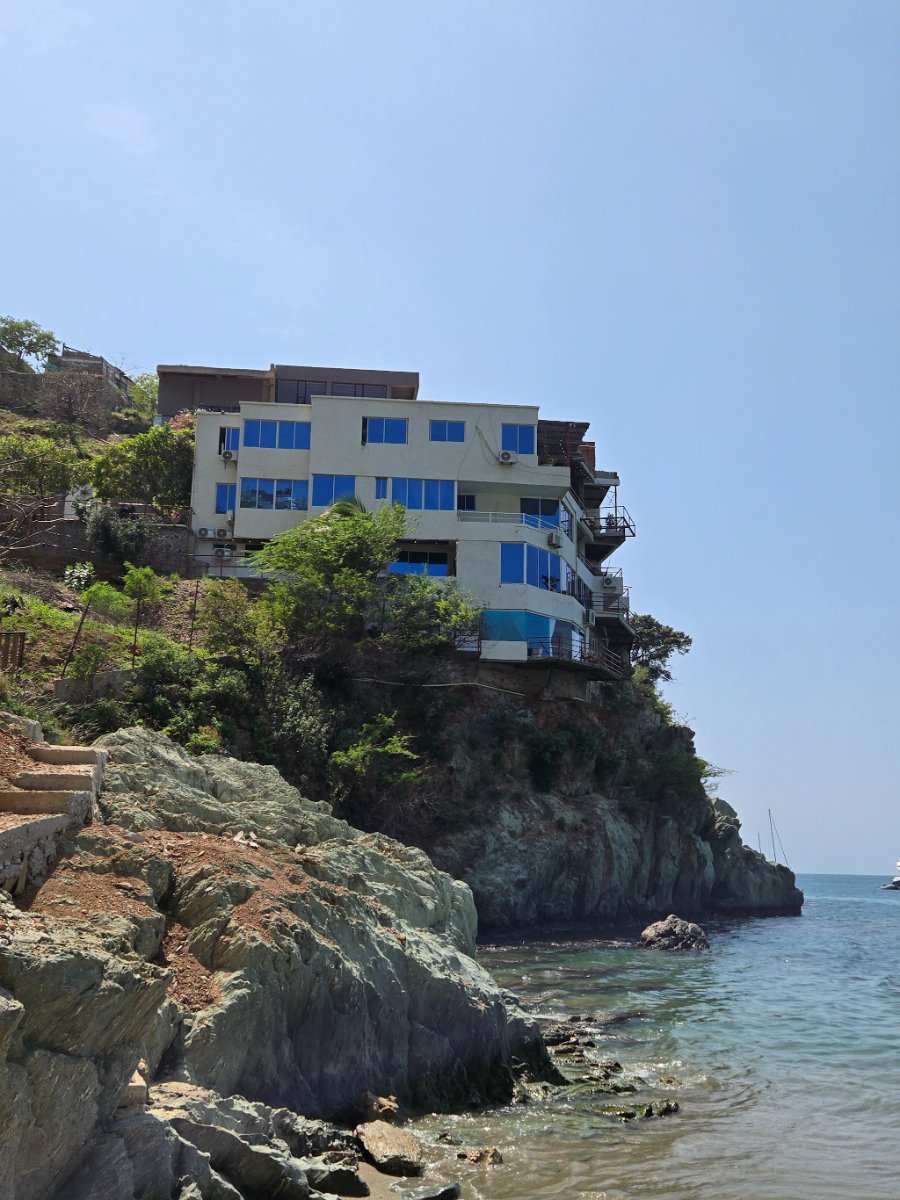
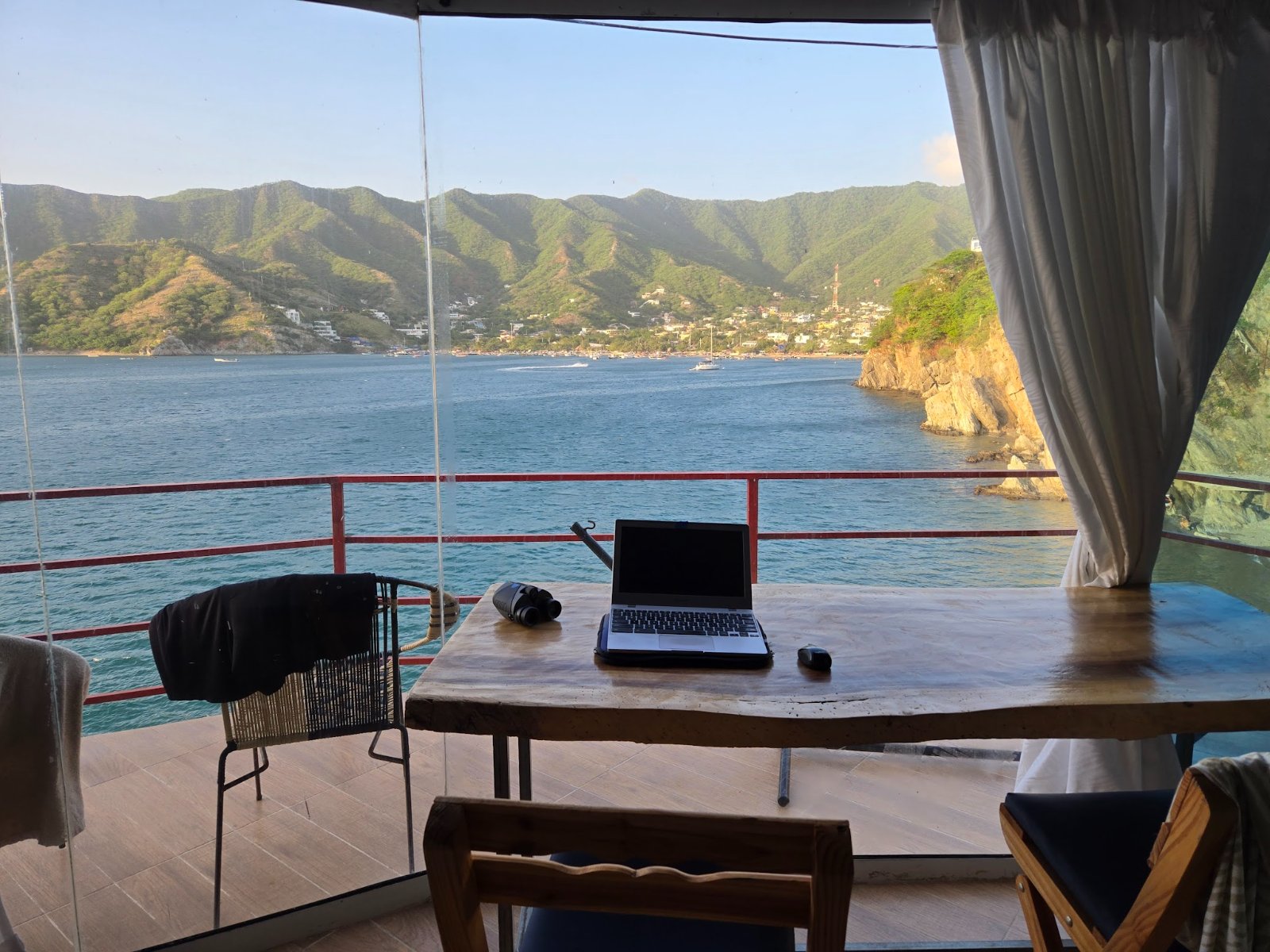
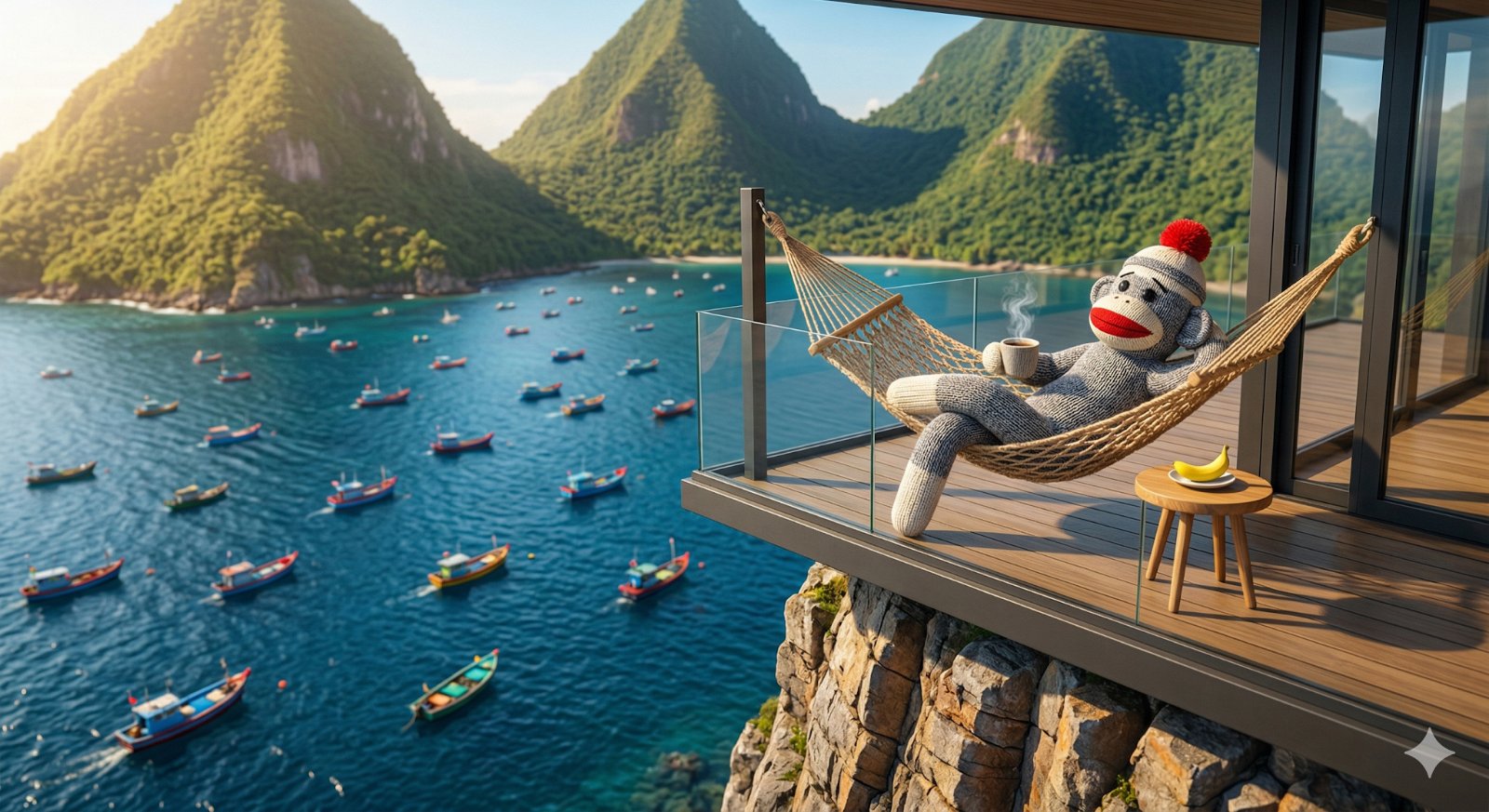
The balcony of the second place we stayed was literally cantilevered off the side of a rock cliff. The space featured a floor-to-ceiling wall of windows, peering out onto the bay, cliffs, foothills, and village. Magical. I could wake up and go to sleep watching the bay like a movie. Every day unfolded with small, colorful fishing boats, wandering kayaks, touring sailboats, and the small caps on the ever-windy azure bay. Check out this amazing drone video of our stay: https://maps.app.goo.gl/UfUHqMC6mW2dNJeq6
Just chillin'
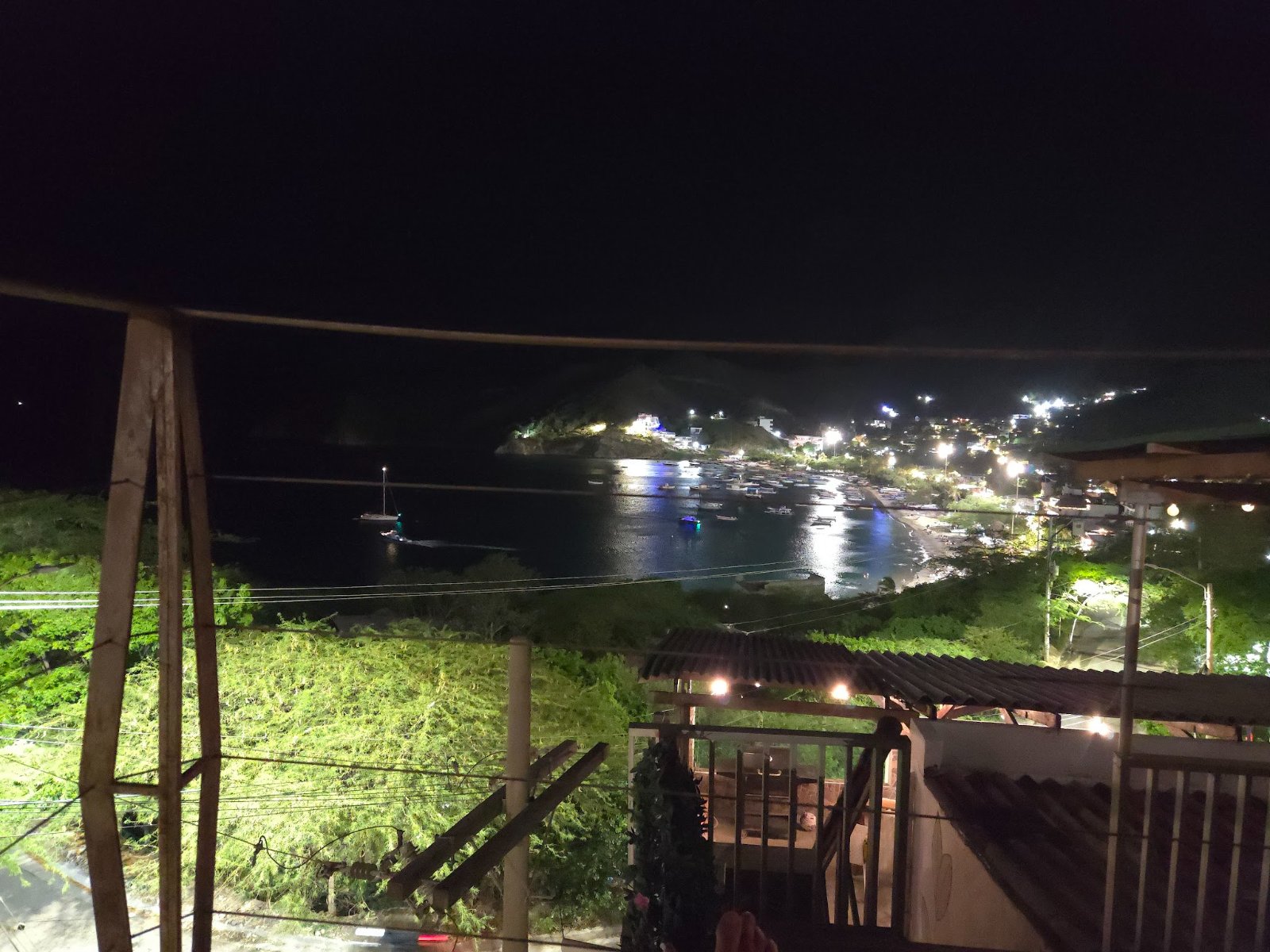
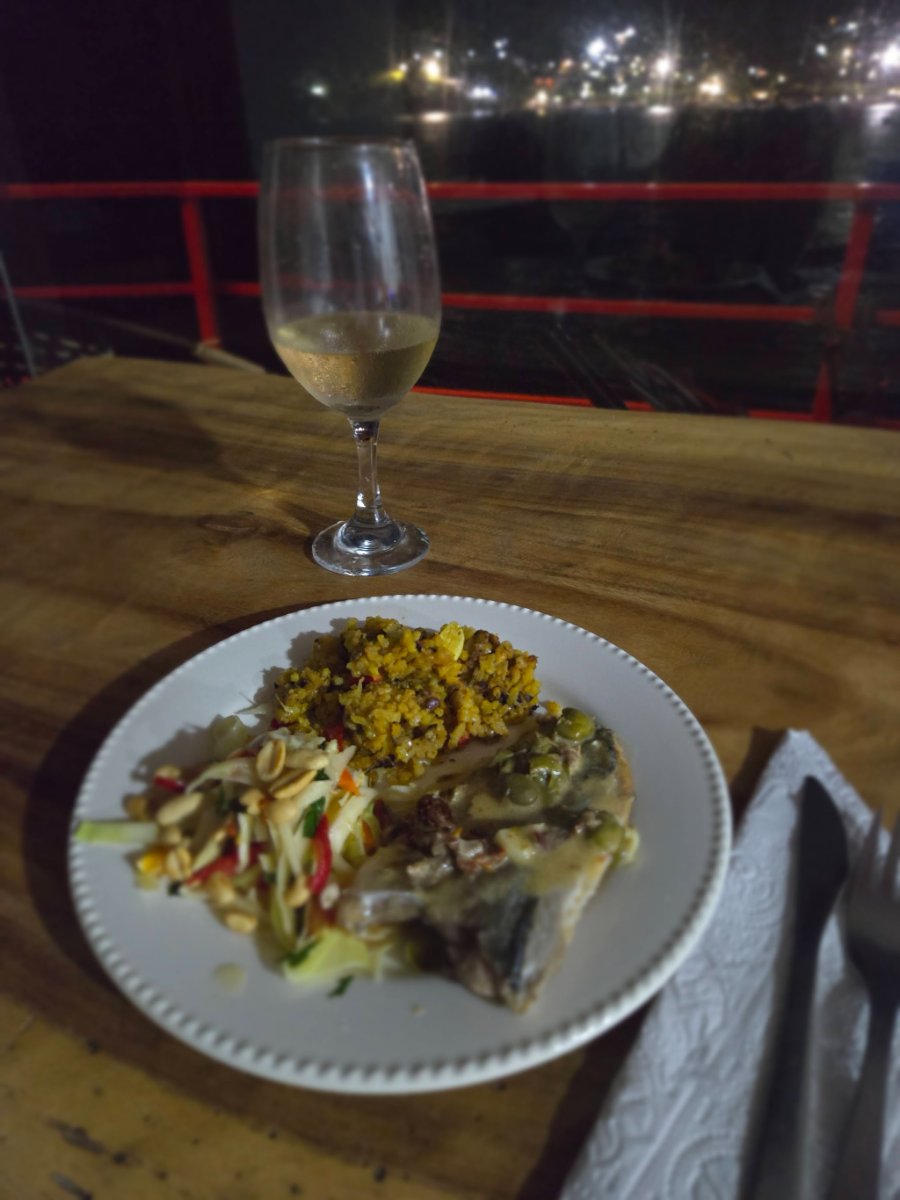
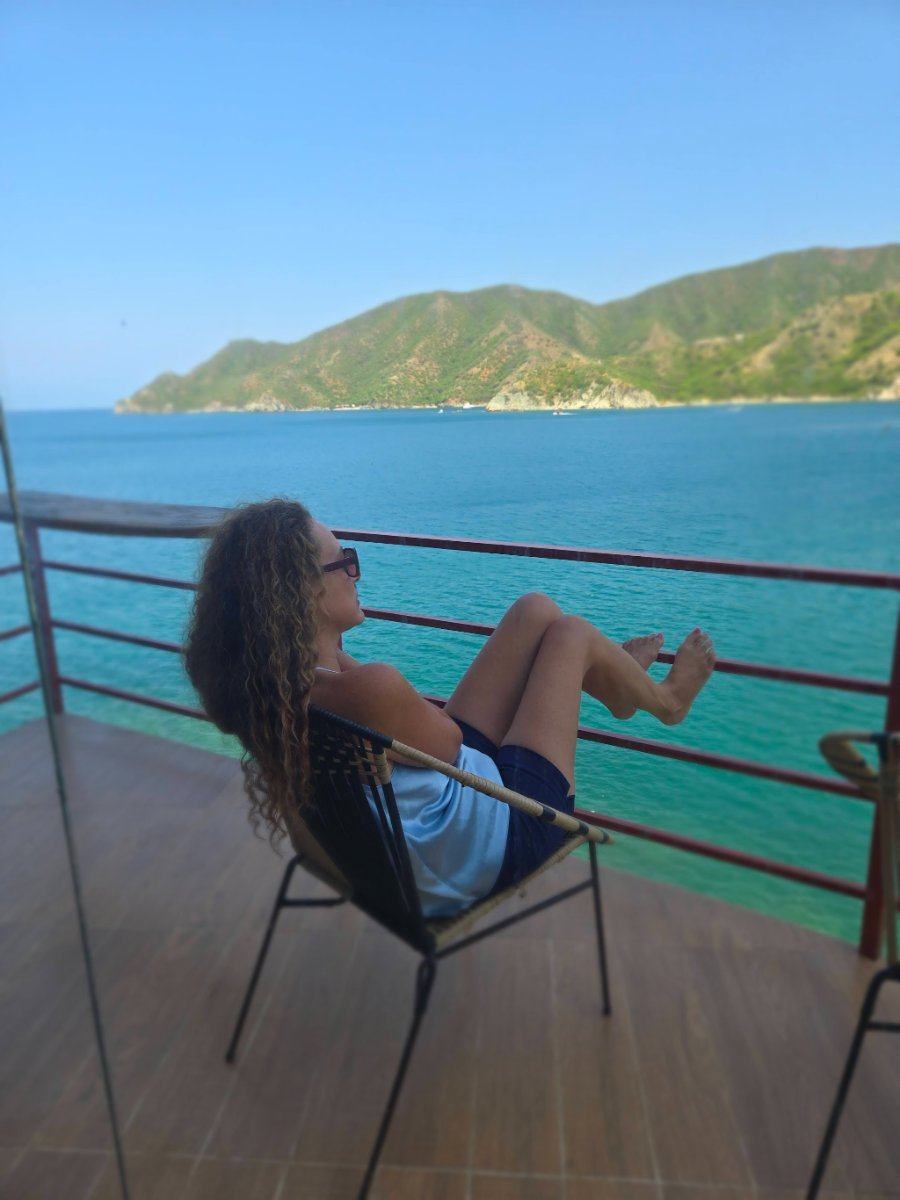
Our typical day began with coffee on the terrace watching the bay unravel, breakfast, catching up with online business stuff, lunch, maybe a nap, watching the bay, chilling, more online stuff, cocktails on the terrace, dinner, watching the night bay, crash...
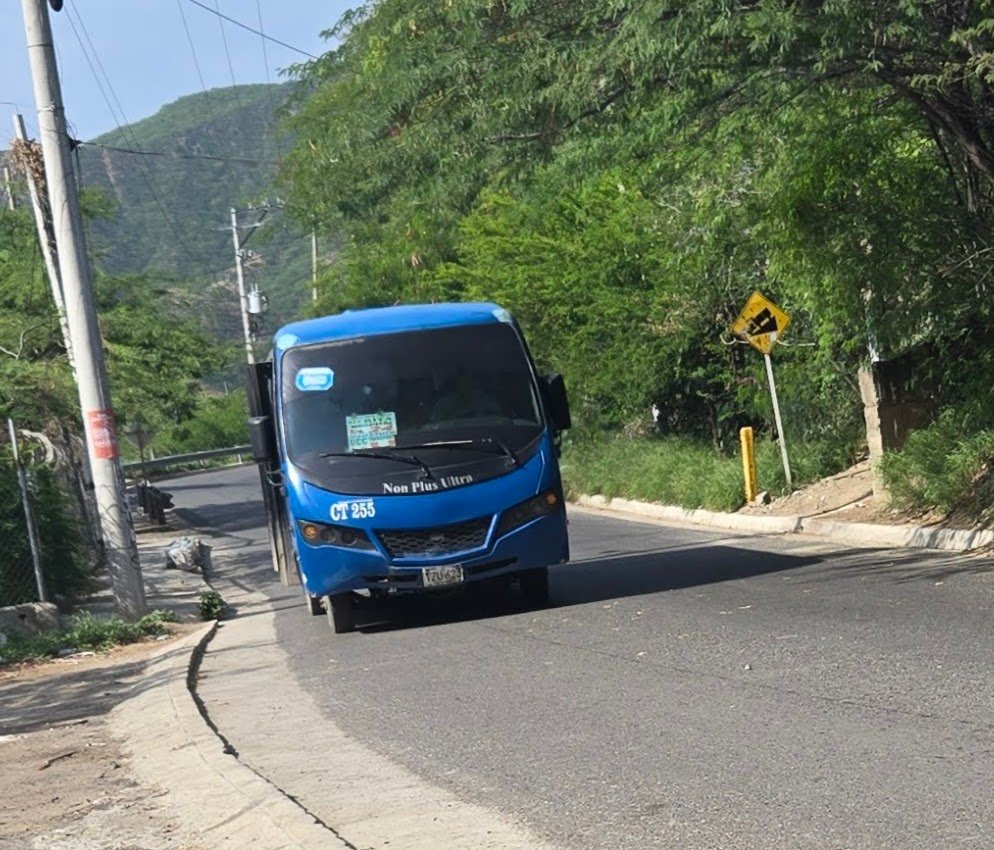
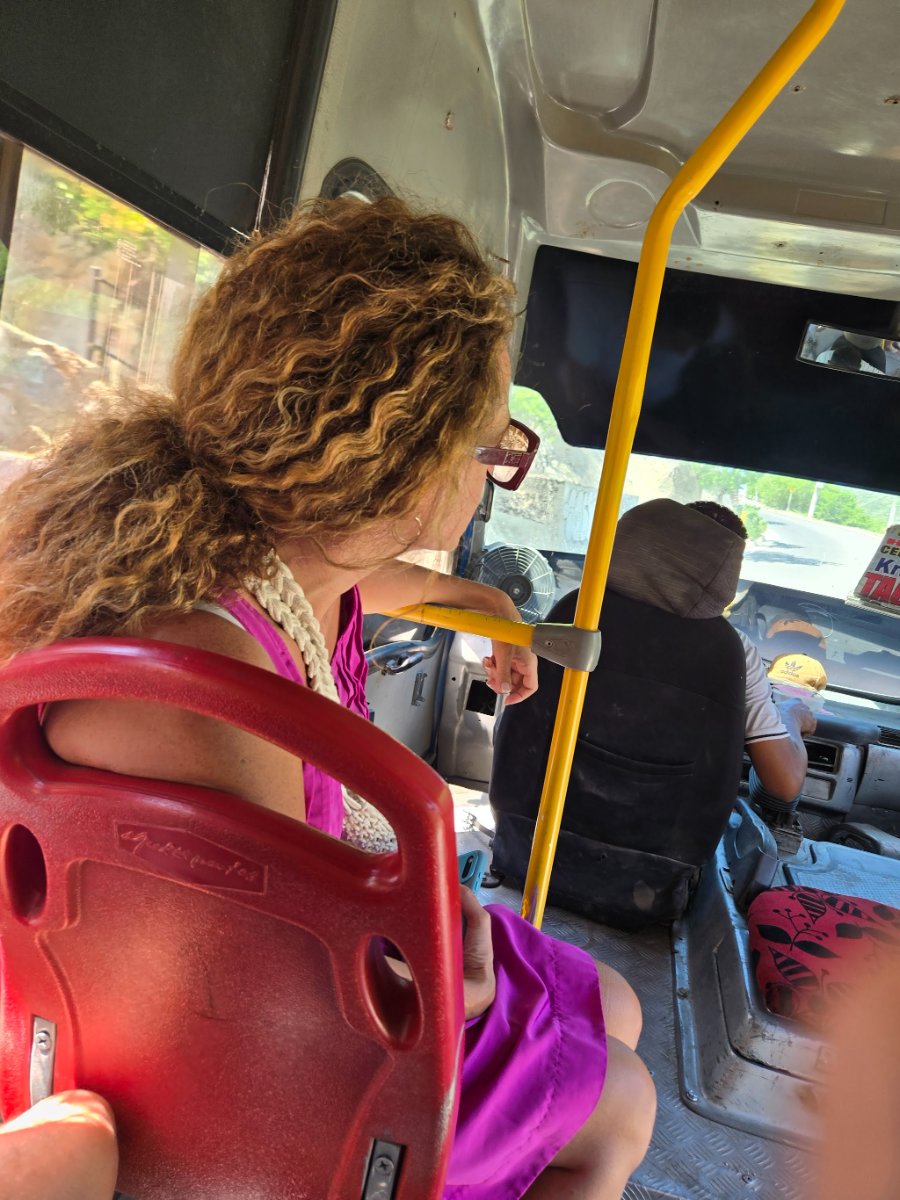
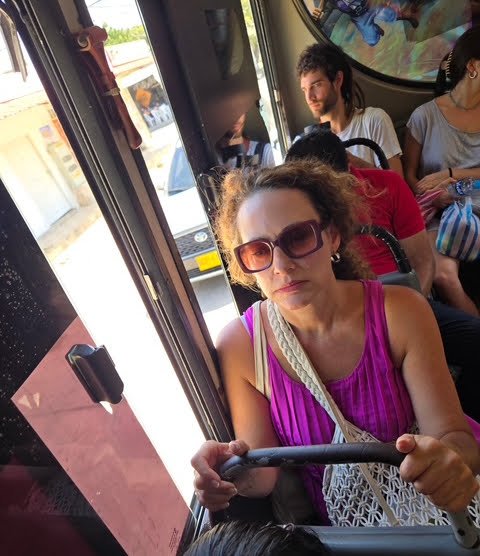
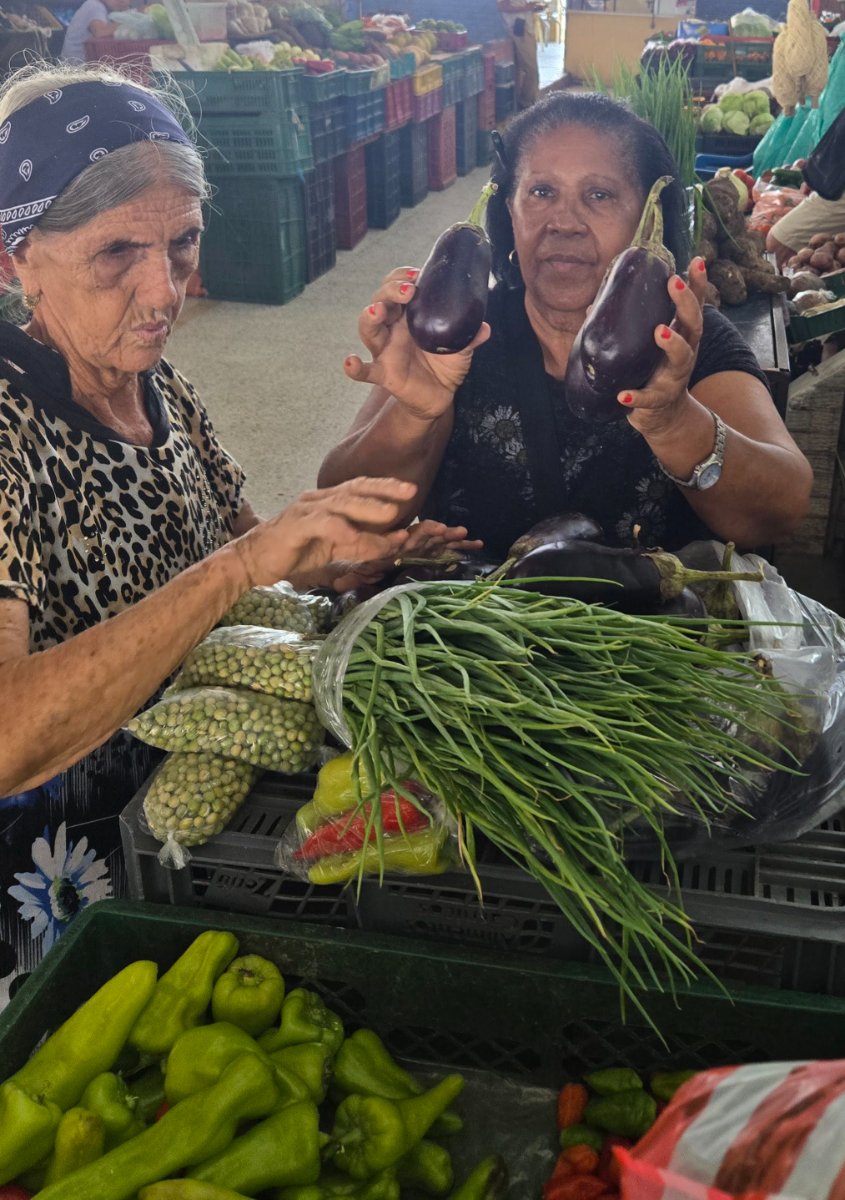
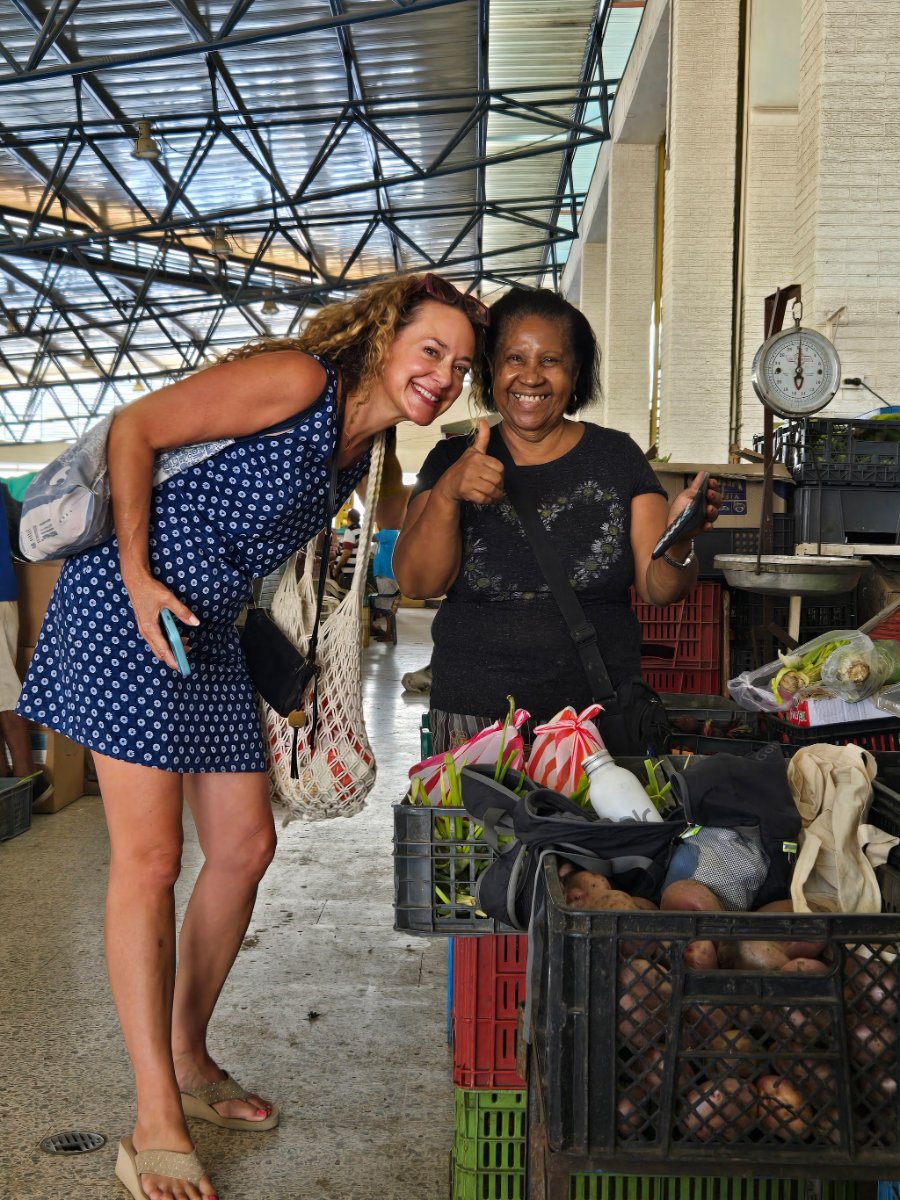
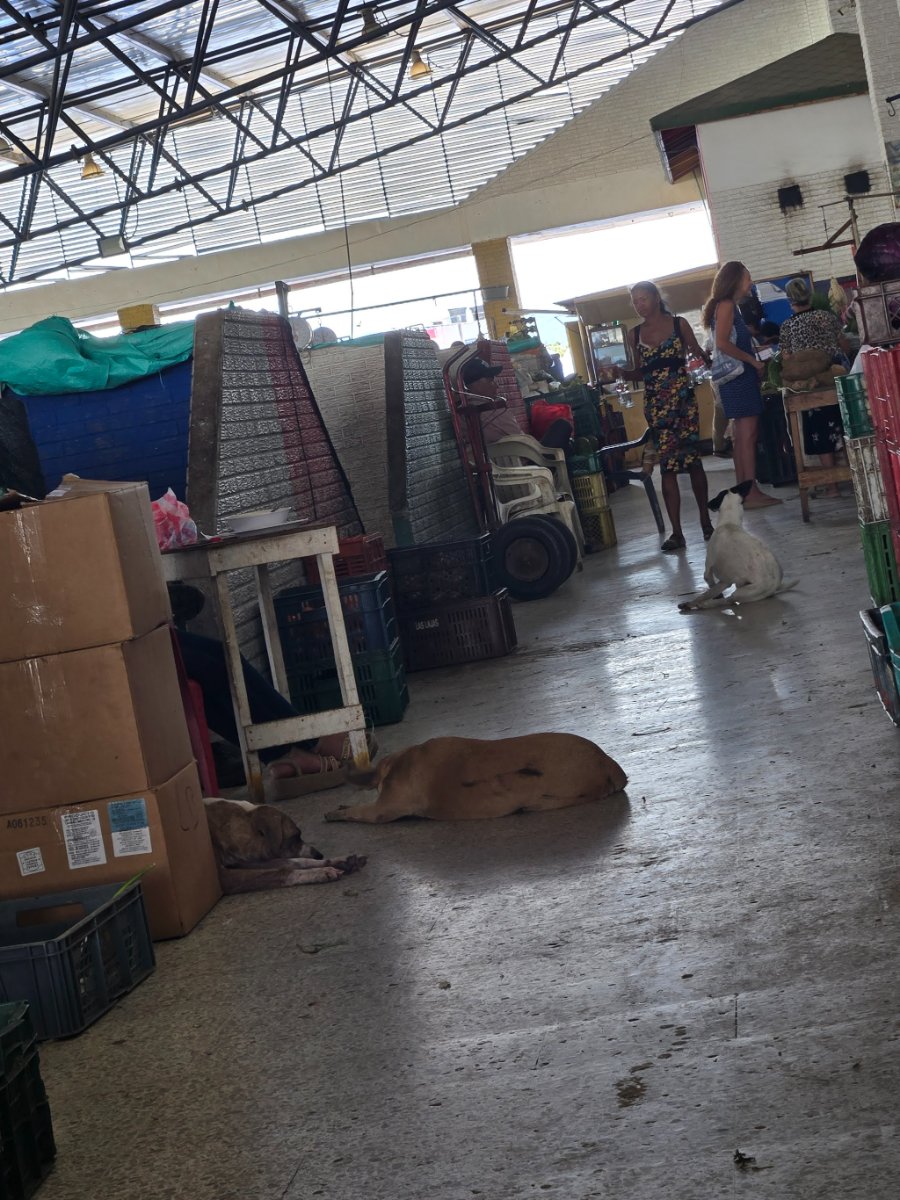
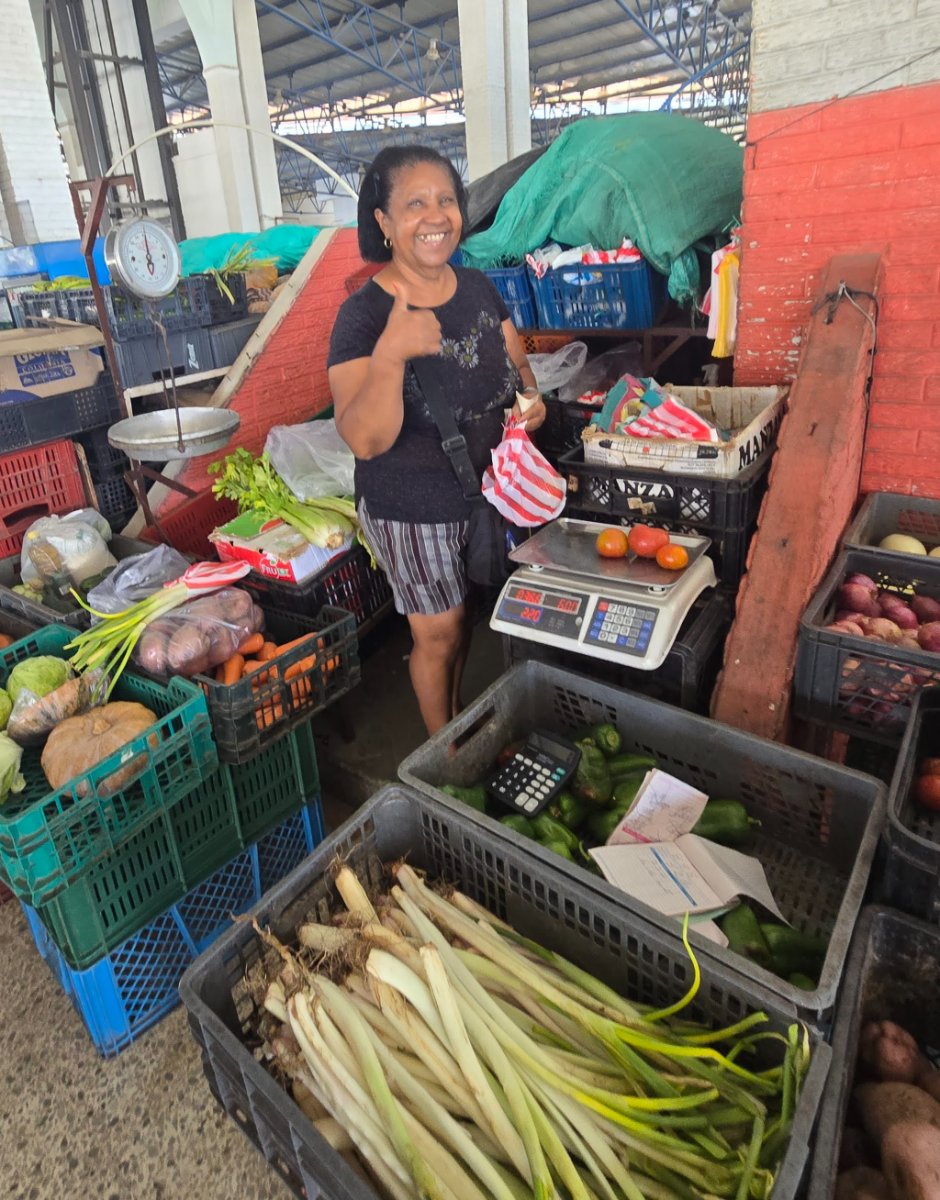
Sometimes we made ourselves go to town for food/drink supplies—we hated leaving. A couple times we bought fresh fish (we had no clue what it was, but it turned out well!) off the boat down at the town or caught a local colectivo bus to Santa Marta and 15 minutes later were at the mercado browsing through/haggling over the produce, meats, and all-around mercado goings-on. Those busses are funny; they'll pick you up/drop you off anywhere along the route.
the Floating peoples...
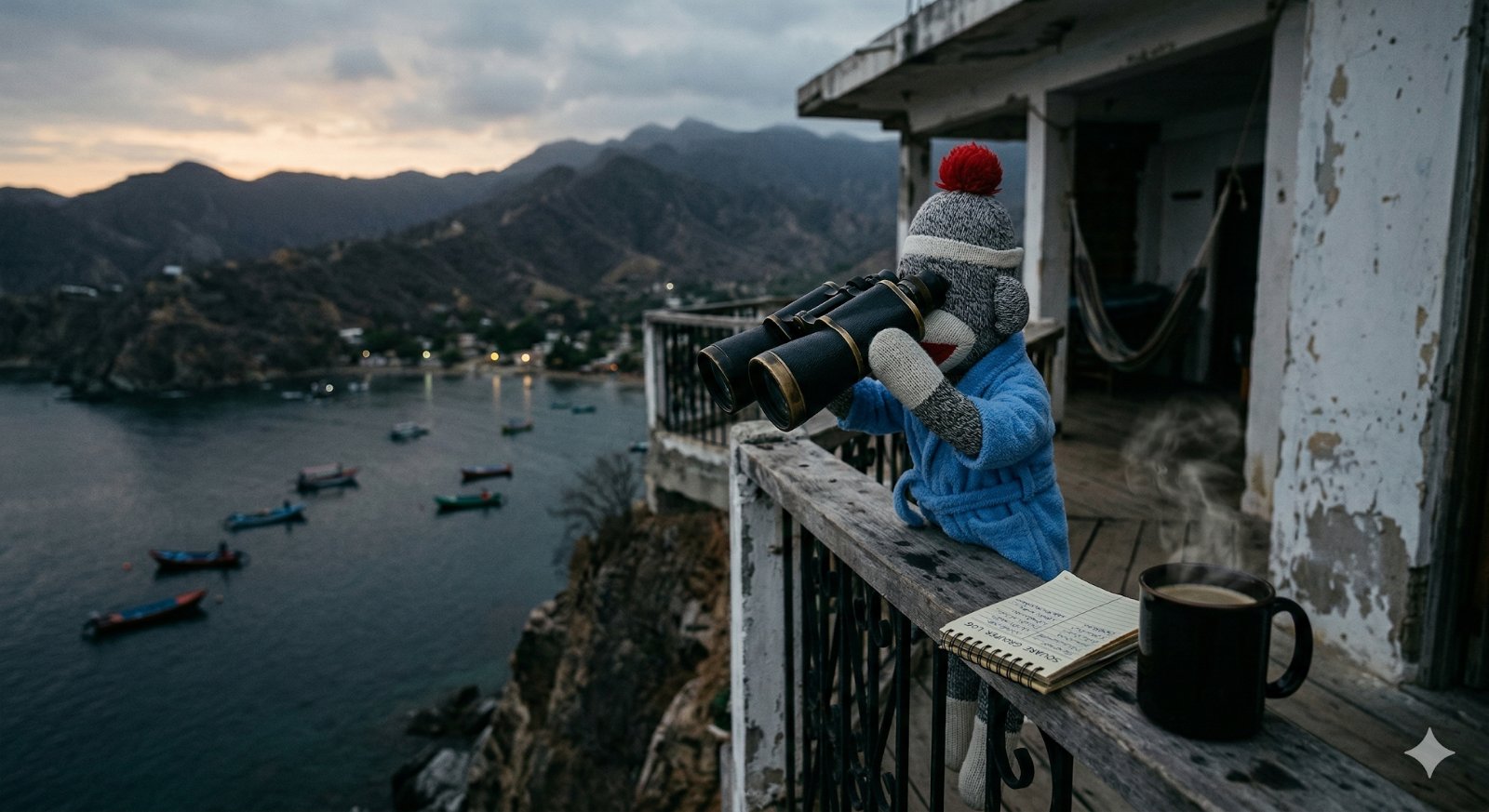
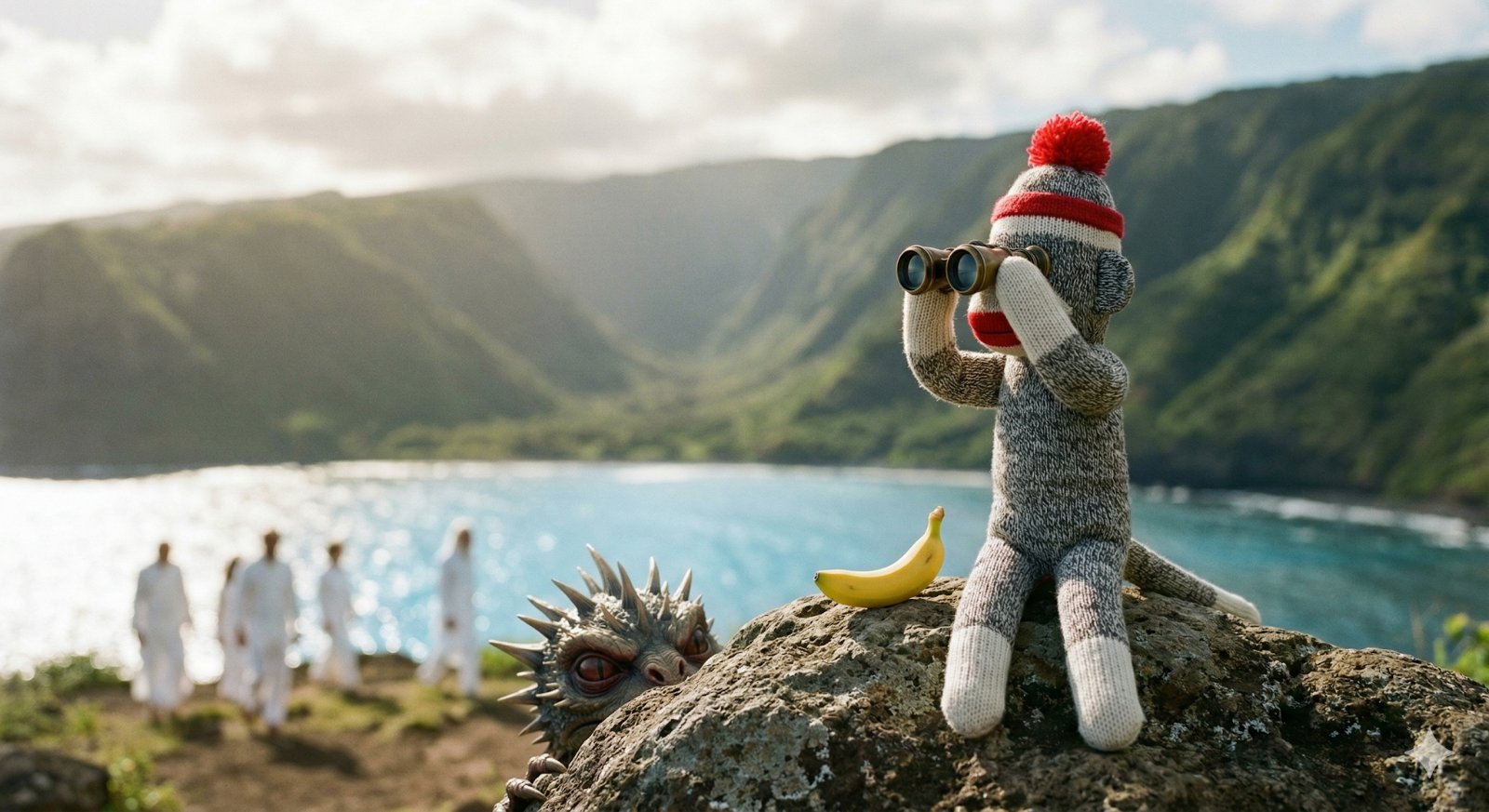
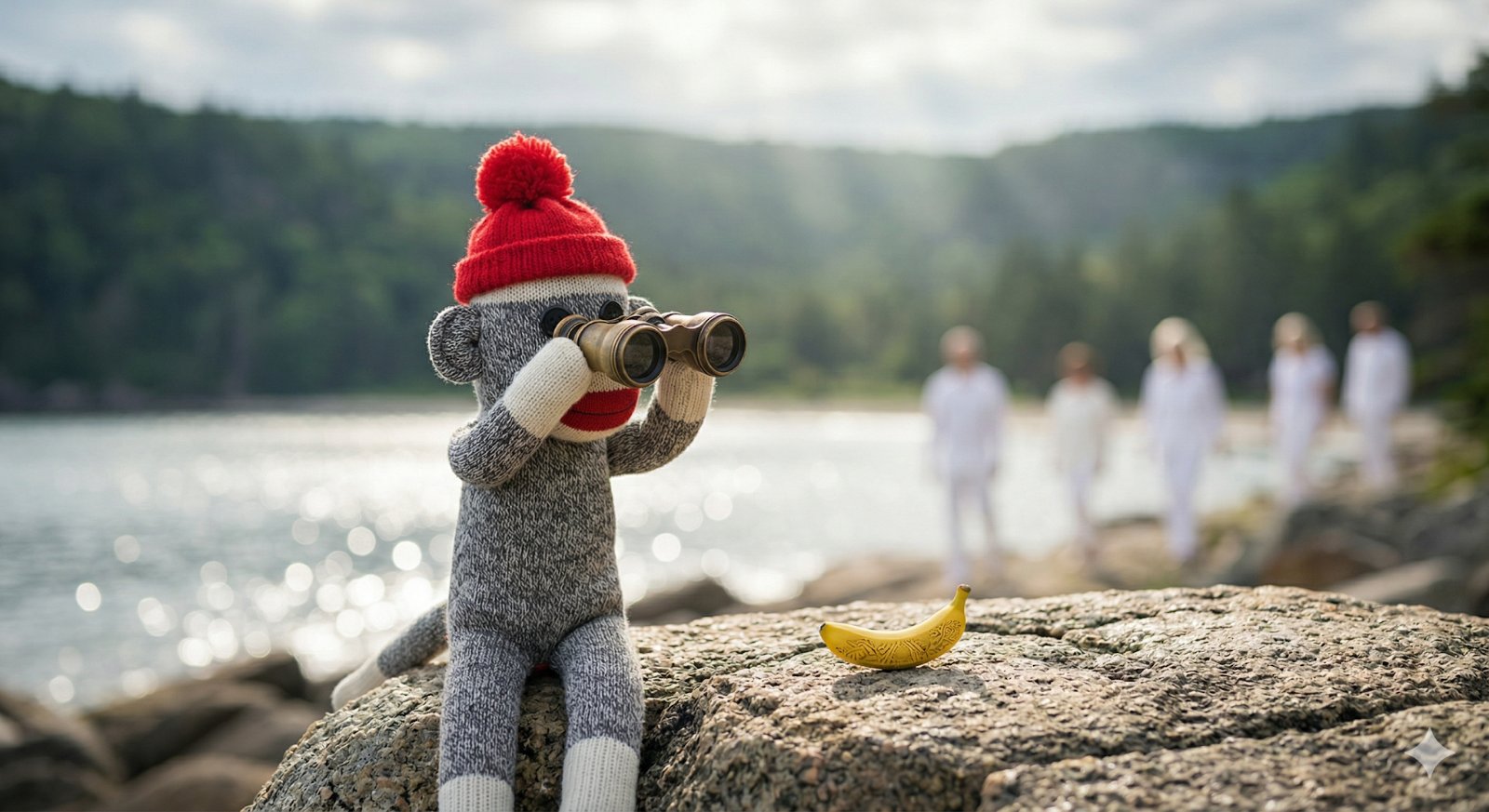
Asides: One day while in the so-called town grocery store, I noticed this young man. He was beyond hippie, much more real, comfortable, and almost ethereal to see. He was head-to-toe in white: pants, a shirt, a cover shirt, and a cap. He was imprinted on my mind. Fast forward to a few days later when we were at stay 2 on the cliff and I was scanning the world through my binoculars. You know, birdwatching, searching for parallel universe portals, confirming no El Chupacabras were present (much to Heather's disbelief, thinking we had one somewhere in our stay that only comes out at night), and making sure there weren't any "square groupers" to report (cocaine bales dropped overboard by dealers on the run) when I noticed a trove of these white-clothing-laden people across the bay in the national park area.
I got busy nosey-nancying around about this. There were groups of them. I finally quelled my thirst of puzzlement and did what any modern tech master would do—I Googled it. Fascinating. The Kogi: An isolated indigenous group living high in the deep valleys of Colombia’s Sierra Nevada de Santa Marta mountains, descended from the pre-Columbian Tairona civilization.
The Kogi consider themselves "Elder Brothers" and guardians of the Earth. They believe the world is a living being and that humanity must maintain balance with nature. They hold deep reverence for the mountains and consider birds spiritual teachers.
I was mesmerized and, in my pea brain, saw them floating. There was truly something serene and dreamlike about them; they are visually stunning and beautiful! If anyone is interested, there are YouTube videos and documentaries about them, "Aluna" being the latest from 2012.
people are people
Staying in places where I have 'real' human interactions is a very valuable piece of my life's equation. The people, both local and international. Meeting them, hanging with them, getting to know a piece of them, and sharing a dinner or laugh with them. So many various exchanges in 3.5 months. Marta was our everything gal at Stay 1 in Taganga. We had lots of interactions, to the point of hugs and tears when we left. Our Canadian neighbor from the deck below, Dario, may buy the building we stayed in. Now we've got that 'in' for Stay 1 just in case anyone needs it.
Then there was Carol Juliette, the owner of Stay 2. She took us to the rooftop of her parents' hotel/bar high atop the Taganga Bay to watch the sunset. A mouthwatering view, if there is such a thing (see video/pix)!!! We had very engaging conversations about all things Taganga and beyond. s.
Then there's the girl (unsure of her age or name; in Bolivia, high elevation... difficult to determine an age) who sat beside me on the bus crossing from Bolivia into Peru. I kept feeding her fruit since we were coming upon a border where you'd have to eat it or pitch it. She ate like it was her last meal. Come to find out she was going to visit her family since her mom had cancer. I was sensing she was very poor and young and scraped hard to buy the bus ticket. We couldn't connect with language, but I believe she was grasping at straws that somehow I may be able to help her mom with cancer. As if I were some kind of great white hope... I imagine a developed nation probably had some semblance of a cure or simple comfort at the least. Sad. My thoughts are still with her.
Throughout the world, all people distill down to the basics: happiness/sadness, family/friends, shelter/food, sickness/health, triumphs/tragedies, faith... Yet, many people have a much harder time accessing the most rudimentary of these items.
hangin' and chillin'
Leaving Taganga and returning back home crept up daily. Usually with a long trip, I'm mentally prepared. Not this time, though. Maybe because life in Taganga was so very simple and real. Typically, when I'm traveling solo (in a developing nation), the transition from poor to excess as soon as I hit the airport is very overwhelming. If there isn't anyone to discuss the daily happenings, it's hard to decipher or put into a nice clean box.
The ideal
That said, I've been nibbling on finding a place to snowbird. I'm honing in on ideals; a high rank would be feasibility. This trip I found that Bolivia, Peru, +/- Chile, and quite possibly Panama (not in the city center!) are reasonable in regards to local restaurants and daily living. These places all had high-end, extraordinary dining options for a very affordable value (compared to US price points) if one were so inclined to 'splurge.'
Obviously, weather first and foremost. Gotta get away from that shitty, cold, depressing winter weather. I did notice that the lower, eastern portions of South America had long daylight. hours as well. It was awesome to see daylight past 9pm.
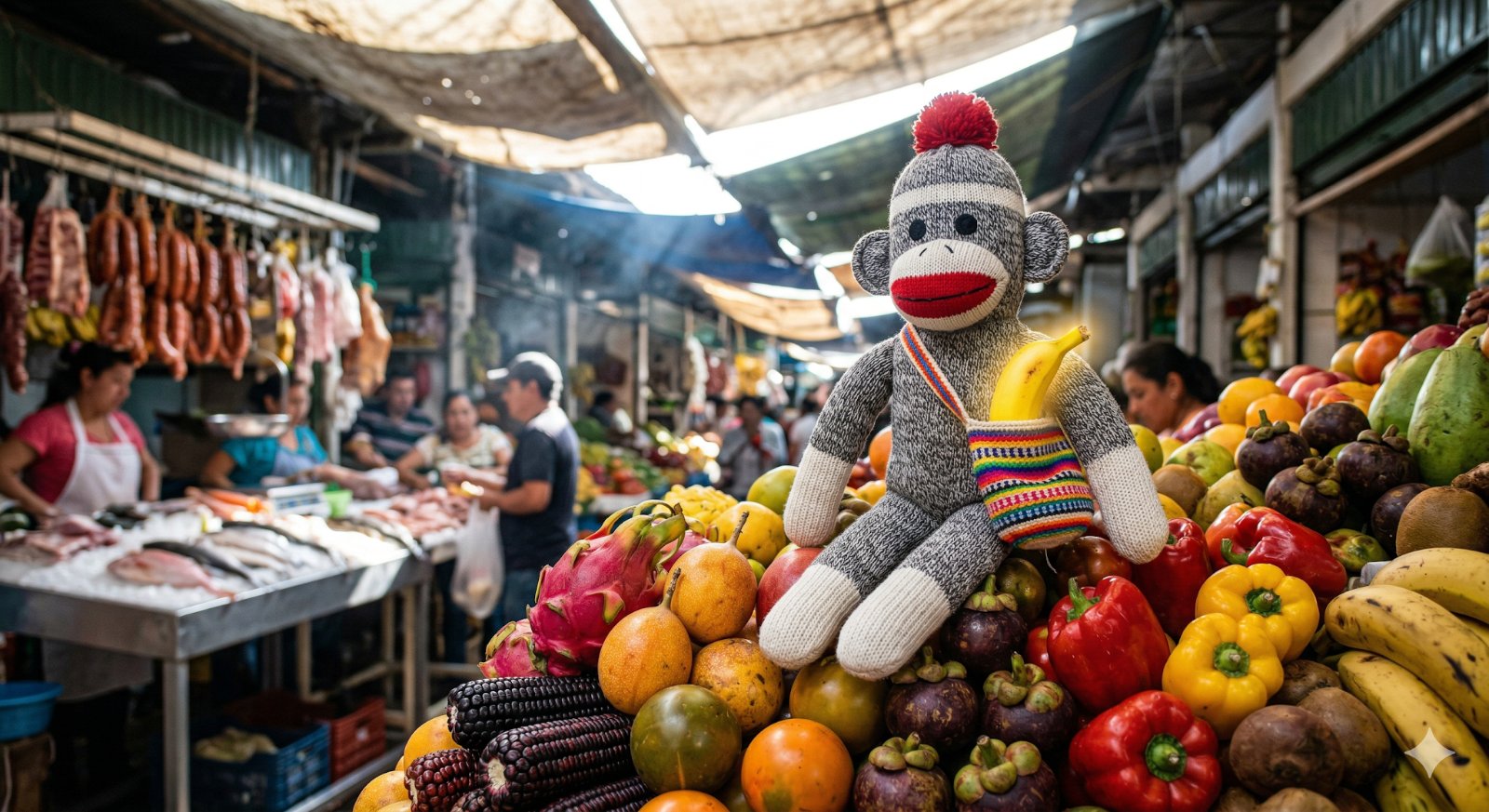
A must-have is a mercado! Here is where the rubber meets the road. My ideal would be one with serious seafood options, lots of beautifully stocked fruit/veggie stalls offering large varieties of produce, all the meats, and hopefully other ancillary foodstuffs rounding off a well-stocked, versatile kitchen. I've borne witness to these types of mercados during this journey, but most were in large cities, expensive countries, and/or cold regions.
Ease of reasonable access to/from the States (Colombia, Panama, and northward from there; in Mexico, one could even keep their cell phone active from the States). Lastly, and very important to me, the view. Taganga, hands down, was the pinnacle of beauty. I will NEVER forget that place, and I am unsure if I will find a niche haven like that ever again.
till the end...
As I mentioned above, we stayed as long as possible in Taganga before our bus to Cartagena. There we would spend the night and then further to the airport the next day.
We stayed in the historic center of the city. We ended up walking around in the center, marveling at the very international vibe of the area, checking out street dancers, getting chased by a mime, and grabbing a bite to eat.
03/13/26: The next morning we slowly ambled about the hotel before we Ubered to the airport for our flight back to the States. Our last day.
a man without a land
...and then, enter the "FU" of setting foot on terra firma in ATL. We originally had a 3.5-hour layover that turned into an additional 2.5 hours, hence leaving at 12:30am and at long last heads in beds by 4am STL. The next morning, after Heather's car needed to be jumped, we finally made it back to the Ham. That night, though, projectile bathroom happenings from food poisoning all night and bedridden for the next three days.
¡Buen viaje! ~Erich
Stay tuned for:
- Farming on top of a boatdock. - Defining luxury as: toilet paper that can be deposited into the toilet after use. - Drinking water from a faucet? That's weird. - Fishing for the Lochness monster on my birthday in September.